
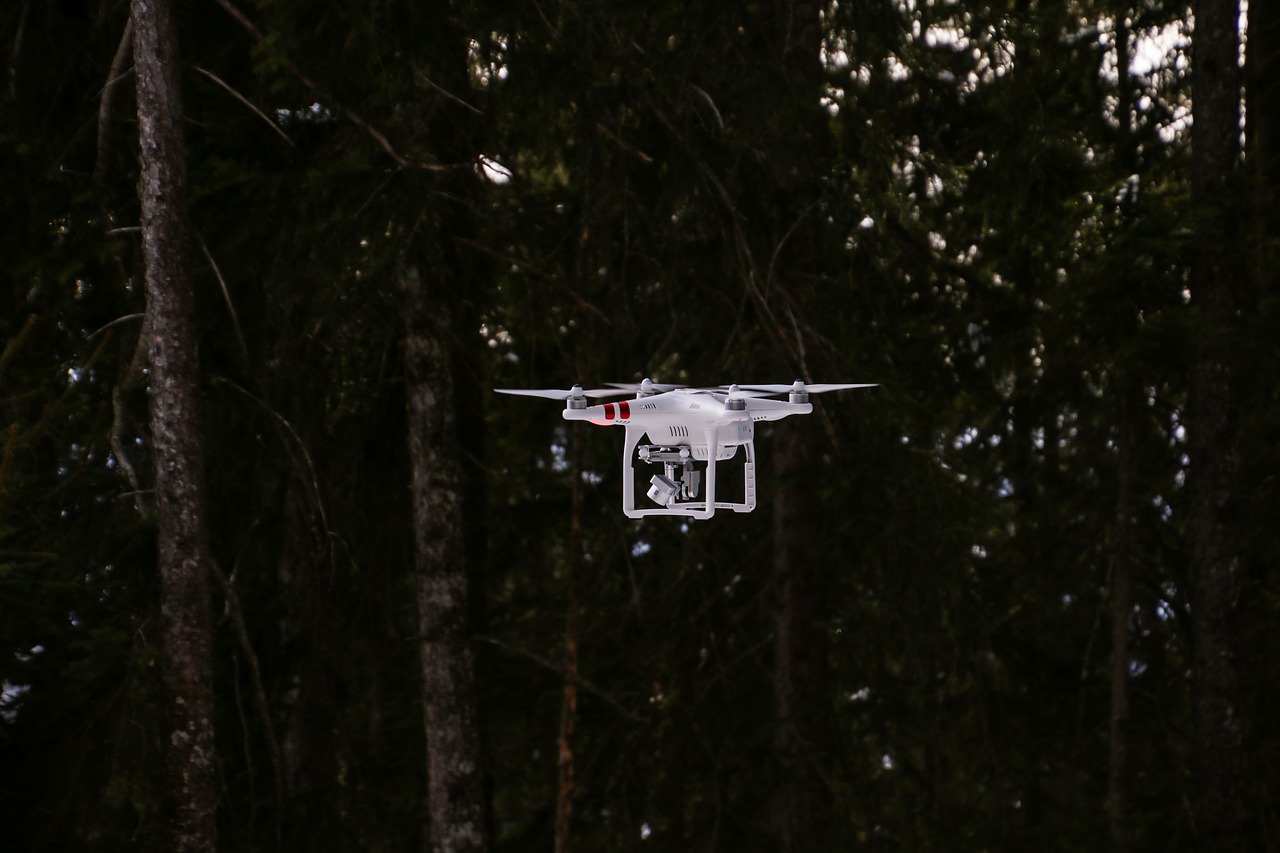
Drones are changing public safety operations for the better. No emergency service around the world is immune from the torrent of disruption, from fire services through to voluntary search and rescue (SAR) organisations, and more. The drone revolution is one few can ignore. New emerging drone technologies are seducing public safety organisations with the promise of reducing search times, improving situational awareness, enhancing team safety, reducing costs, and even the potential of delivering medical supplies ahead of rescue teams. And this is just the beginning.
A 2018 report published by PricewaterhouseCoopers (PwC), dubbed ‘Skies without limits’, predicted that the economic value of the drone industry by 2030 will be a staggering £42 billion. Furthermore, the esteemed research company MarketsandMarkets estimates that first responders will be among the applications that will enjoy the highest demand for drones – this is already beginning to occur. PwC’s aforementioned report states that technology advancements, societal acceptance and regulation expansion are the key enablers towards unlocking the full potential of drones, industry-wide; and I strongly believe that public safety drones can unlock all three enablers for everyone.
Emergency Services require robust drone technologies to contend with the dynamic, unforgiving, and time critical environments in which they operate in. The rising demand for drones by public safety agencies is encouraging positive advancements in the technological capabilities of drones and the associated software, sensors, payloads and the suchlike. Hence, public safety drones could unlock technology advancements.
Societal acceptance – or the lack of – has been a long-standing hindrance for the drone industry. The commercial use of drone technology was marred with controversy from day one due to its military roots, evoking strong negative connotations. Unfortunately, drone-related media accounts have transitioned from military uses to high-profile stories of drone misuse, further fuelling the public’s negativity. Public safety organisations have not been immune to the challenges posed by the negative perception of drones, especially the voluntary organisations that rely on public donations for funding. Given that public opinion is imperative to sustaining these charities, the societal drone resistance presents a significant deterrent towards the adoption of drone technology, despite the undeniable benefits for using drones for good. That being said, PwC conducted a public trust survey on the use of drones and the responses revealed that the public are not against the technology per se; in fact 80% of the public were in favour of drones when being utilised by an emergency service. The survey results also found that 65% of the public believe the high-profile disruption at Gatwick Airport has negatively influenced how they think about drones; proving the impact of the media on current public opinion. Therefore, an awareness campaign that aims to educate the public on the numerous drones for good applications could rebrand the technology as a tool for public safety. Countering drones for bad is vital, but enabling drones for good is of equal importance. Hence, rebranding the technology as described could cause public safety drones to unlock societal acceptance.
As a myriad of regulatory bodies scramble to keep up with the rate of adoption and evolution of drone technology, one thing is clear: operational beyond visual line of sight (BVLOS) commercial drone operations will be game-changing. Public safety is the ideal use case to explore this particular area of regulatory expansion. For example, Chula Vista Police Department in the USA have been testing a first-eyes-on-scene drone as part of the Federal Aviation Administration’s (FAA) Integration Pilot Program. The permission for this project allows the pilot to fly 36 square miles from one point, to fly ahead of police ground-based vehicles and provide ‘eyes on scene’ in a reduced timeframe. Notably, the current legal distance for drone flying is often 500 metres; this project sees a vast expansion on that distance. In the nine-month period of the project so far, the drone has been deployed 527 times and assisted with 79 arrests, evidencing significant results that support the need for operational BVLOS for public safety. Projects similar to this are also emerging in the UK, namely the Maritime and Coastguard Agency recently published an Invitation to Tender for a drone demonstration and development project, which will soon see BVLOS drone flights performed (providing permission from the Civil Aviation Authority is achieved by teams) towards three key use cases: SAR offshore search, SAR offshore surveillance and SAR coastal search. All in all, this will provide ample evidence that not only is public safety a great use case for BVLOS but is likely to become the first operational BVLOS use case (outside of the military). Hence, public safety drones could unlock BVLOS regulations.
Not too long ago it was an uphill struggle to convince an emergency service that drones could be of benefit to them, but it is no longer a question of whether drones add value to public safety – yes, drones can, the global public safety community has proven this and continues to. It is now a question of how can drones save lives that couldn’t be saved before. This question will soon be answered as public safety drones continue to unlock the next level of the drone revolution.
For more information, go to www.skyboundrescuerproject.com
About the Author

Gemma Alcock is Founder and CEO of SkyBound Rescuer, and a multi-award-winning drone innovator and SAR professional. Gemma became the first UK recipient of the esteemed Public Safety Drone Leadership Award from DRONERESPONDERS for her exceptional leadership advancing the implementation of public safety drone programmes. Gemma is also the Director of Air Operations for Lowland Rescue.
