
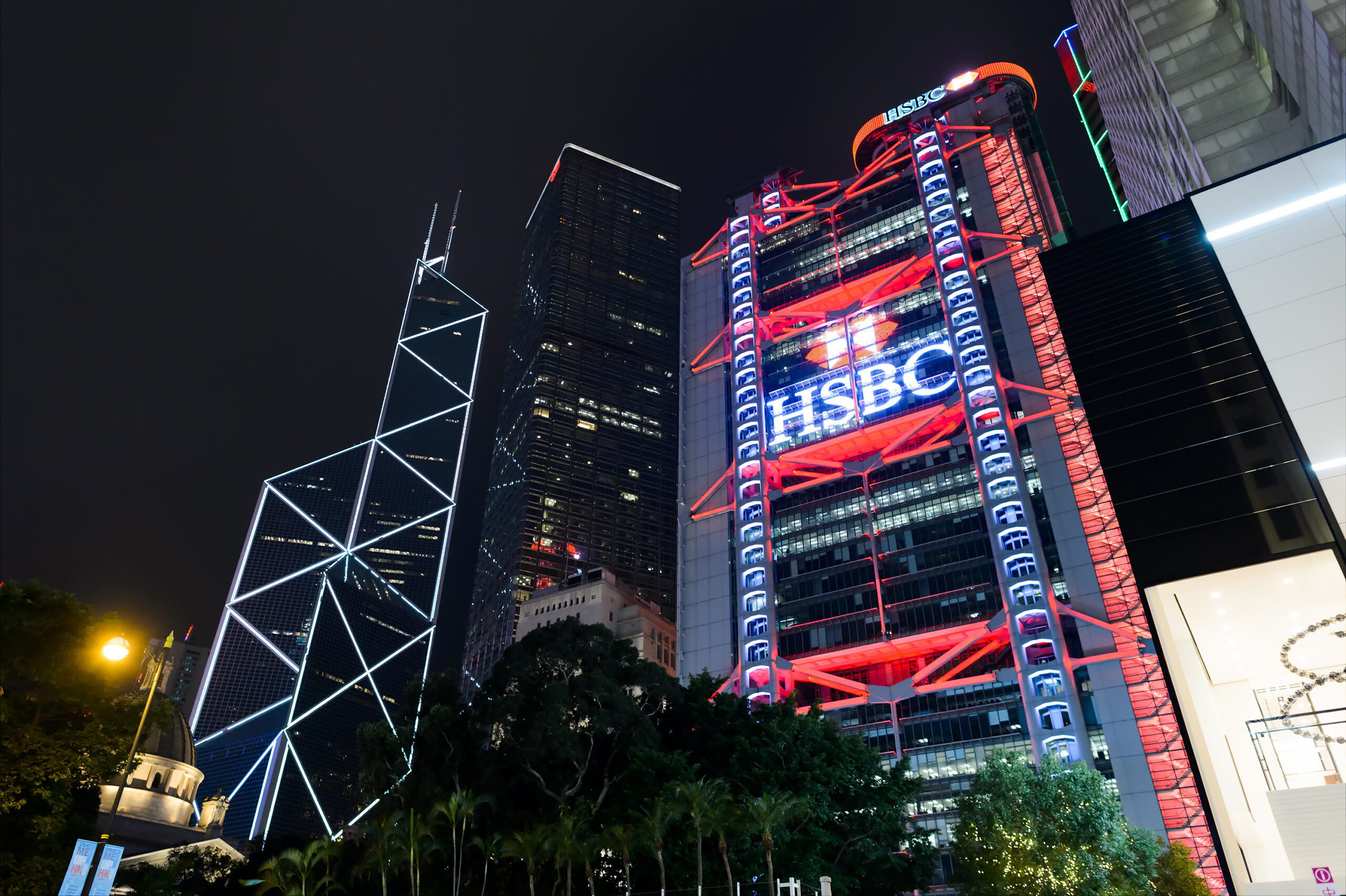
Reputational risk is something that is often linked to commercial and global organisations but is now a key factor in how public services are managed, including fire and rescue services (FRS). Having worked in both fire and rescue services and a global financial organisation I have seen at first-hand how these impacts on their performance.
Commercial and global organisations
Reputational risk is a major concern for both commercial and global organizations in today’s interconnected world. It refers to the possibility that an organization’s reputation could be damaged by an event, action or inaction, leading to negative consequences like:
- Loss of revenue and customers: damaged reputation can lead to consumers choosing competitors and reduced sales.
- Employee recruitment and retention challenges: top talent may be less likely to join or stay with a company with a tarnished reputation.
- Increased scrutiny and regulation: authorities and policymakers may become more critical of the organization’s activities following a reputational crisis.
- Reduced investor confidence and access to capital: a damaged reputation can scare away investors and make it more difficult to raise capital.
Here are some specific types of reputational risk that commercial and global organizations face:
Internal risks:
- Ethical lapses: corporate scandals involving fraud, corruption or environmental damage can significantly harm an organization’s reputation.
- Product safety issues: a product recall or safety concerns can erode consumer trust and lead to reputational damage.
- Workplace misconduct: harassment, discrimination or unfair labour practices can lead to negative media attention and public backlash.
External risks:
- Cybersecurity breaches: data breaches and cyberattacks can expose sensitive information and damage consumer trust.
- Supply-chain problems: unethical practices by suppliers, such as child labour or forced labour, can reflect poorly on the organization.
- Negative media coverage: biased or unfair media coverage can damage an organization’s reputation, even if it is factually inaccurate.
- Geopolitical risks: operating in unstable countries or regions can expose an organization to reputational risks if events there take a negative turn.
Global organizations face additional reputational risks due to their increased complexity and visibility:
- Cultural sensitivities: misunderstanding local customs or norms can lead to offence and reputational damage.
- Transparency challenges: operating in multiple jurisdictions can make it harder to maintain consistent ethical standards and transparency.
- Complexity of supply chains: global supply chains can be a source of reputational risk if problems arise in any part of the chain.
Effective management of reputational risks requires a proactive approach:
- Identify potential risks: conduct regular risk assessments to identify potential threats to the organization’s reputation.
- Develop a crisis communication plan: have a clear plan in place for how to communicate with stakeholders in case of a crisis.
- Build strong relationships with stakeholders: maintaining positive relationships with stakeholders can help mitigate the impact of a reputational crisis.
- Promote ethical behaviour: foster a culture of ethical business practices throughout the organization.
- Monitor public sentiment: use social media listening tools and other methods to track public opinion about the organization.
By taking these steps, commercial and global organizations can minimize their exposure to reputational risks and build stronger, more resilient reputations.
The fire and rescue services
The fire service, like any profession, is not immune to reputational risks. These risks can stem from a variety of factors, including:
- Operational incidents: accidents, injuries or fatalities during fire or rescue operations can cast a negative light on the service, even if the firefighters acted heroically.
- Misconduct: any ethical lapses or unprofessional behaviour by individual firefighters can damage public trust in the entire service.
- Communication failures: poor communication during or after an incident can lead to misunderstandings and criticism from the public and media.
- Lack of diversity or inclusion: if the fire service is not seen as representative of the community it serves, it can face accusations of bias or unfairness.
- Budget cuts or resource limitations: fire departments that are understaffed or lack essential equipment may struggle to respond effectively to emergencies, potentially harming their reputation.
It’s important for fire services to proactively manage their reputations by:
- Prioritizing safety and training: equipping firefighters with the skills and resources they need to perform their duties safely and effectively can help prevent operational incidents that could damage the service’s reputation.
- Promoting ethical conduct: establishing clear ethical guidelines and holding firefighters accountable for their actions can help maintain public trust.
- Communicating effectively: having a clear and consistent communication strategy in place can help ensure that the public is kept informed during emergencies and that any misinformation is quickly addressed.
- Embracing diversity and inclusion: actively recruiting and promoting firefighters from all backgrounds can help the fire service better reflect the community it serves and build trust with all residents.
- Advocating for adequate resources: working with local government and communities to secure the funding and equipment needed to respond effectively to emergencies can demonstrate the fire service’s commitment to public safety.
- Working with the local communities and others involved in the fire and safety profession to promote the highest level of fire safety and to be open and honest in their actions.
By taking these steps, fire services can mitigate reputational risks and maintain the public’s trust and respect for their vital work.
Remember, reputation is built over time and through consistent action. By focusing on safety, ethics, communication, diversity and adequate resources, fire services can cultivate a positive reputation that will serve them well in the long run.
The Nolan Principles
The Nolan Principles are seven key principles of public life in the United Kingdom, also known as the Seven Principles of Public Life. They were first established in 1995 by the Committee on Standards in Public Life, chaired by Lord Nolan and have since been widely adopted across various sectors beyond public office. Here’s a breakdown of each principle:
- Selflessness: Holders of public office should act solely in terms of the public interest. This means avoiding conflicts of interest and prioritizing the needs of the community over personal gain.
- Integrity: Public officials must avoid placing themselves under any obligation that might influence their work inappropriately. This includes maintaining a high ethical standard and avoiding activities that could create even the perception of bias.
- Objectivity: Decisions and actions should be made impartially, fairly and on merit, using the best available evidence without discrimination or personal bias.
- Accountability: Public officials are responsible for their decisions and actions and must be transparent and accountable to the public they serve. This includes being open to scrutiny and willing to explain their choices.
- Openness: Public bodies should be as open as possible about their decisions and actions, balancing this with the need to protect privacy and confidentiality. Transparency helps build public trust and understanding.
- Honesty: Public officials must be truthful and avoid misleading the public. This includes declaring any potential conflicts of interest and being accurate in their communications.
- Leadership: Public officials should act as role models and set high standards for ethical conduct. They should promote and uphold these principles within their organizations and communities.
The Nolan Principles are considered essential for maintaining public trust and ensuring ethical conduct in public life. They provide a framework for individuals and organizations to act with integrity and accountability. While originally developed for the UK context, they have been adapted and applied in various countries and contexts around the world.
How recent developments have impacted on the reputation of fire and rescue services
Unfortunately, there are numerous incidents where breaches of the above principles and guidance have had a severe impact on the reputations of FRS and the Grenfell Tower Fire is perhaps one that did the most damage.
The Grenfell Tower fire
The fire broke out in a 24-storey residential tower block in the London Borough of Kensington and Chelsea and caused the deaths of 72 people. The fire was the deadliest residential fire in the United Kingdom since the Second World War.
The fire is believed to have started in a kitchen on the fourth floor of the tower and quickly spread to the upper floors. The fire was fuelled by flammable cladding that had been installed on the exterior of the tower as part of a 2014 refurbishment. The cladding was found to be non-compliant with building regulations and was a major factor in the rapid spread of the fire.
The London Fire Brigade (LFB) responded to the fire and firefighters battled the blaze for over 24 hours. However, they were hampered by the flammable cladding and the lack of sprinklers in the tower. As a result, they were unable to contain the fire or rescue all of the residents.
The Grenfell Tower fire had a significant impact on the reputation of the LFB. The brigade was criticized for its response to the fire, with some arguing that it was slow and ineffective. The brigade was also criticized for its failure to communicate effectively with residents and for its lack of knowledge about the risks posed by flammable cladding.
In the aftermath of the fire, the LFB has undergone a number of reforms. The brigade has introduced new equipment and training, and it has changed its policies and procedures. The brigade has also worked to improve its communication with residents and stakeholders.
It is too early to say what the long-term impact of the Grenfell Tower fire will be on the reputation of the LFB. However, the brigade has taken steps to learn from the tragedy and to improve its service.

The HSBC Shek Kip Mei fire
The fire at the HSBC branch in Shek Kip Mei, Hong Kong on 10 January 1994 was a tragic event that resulted in the loss of 12 lives and had a significant impact on the bank’s reputation. Here’s a breakdown of the key points:
Immediate impact:
- Public outcry: The fire sparked public outrage and criticism towards HSBC, particularly regarding fire-safety measures and emergency response. Questions arose about the bank’s adherence to safety regulations and the adequacy of its evacuation procedures.
- Loss of public trust: The incident eroded public trust in HSBC’s ability to prioritize the safety of its employees and customers. This was especially concerning given the bank’s prominent position in Hong Kong’s financial sector.
- Financial repercussions: The bank faced legal repercussions and financial settlements with the families of the victims. Additionally, potential customers might have opted for competitors due to reputational concerns.
Long-term impact:
- Image restructuring: HSBC implemented significant changes to improve its fire-safety measures and emergency-response protocols. This included investments in fire-prevention systems, staff training and evacuation drills.
- Community engagement: The bank undertook initiatives to rebuild trust with the community, such as offering support to the families of the victims and contributing to local fire safety initiatives.
- Gradual Recovery: Over time, HSBC’s reputation gradually recovered as the bank demonstrated its commitment to safety improvements and community engagement. However, the incident remains a significant chapter in the bank’s history.
It’s important to note that:
- The exact extent of the long-term impact on HSBC’s reputation is difficult to quantify.
- Public perception can be influenced by various factors beyond the bank’s immediate control.
- HSBC’s response to the incident, including its commitment to safety improvements and community engagement, played a crucial role in shaping public perception over time.
The Penhallow Hotel fire
The Penhallow Hotel fire, which occurred in Newquay, England in August 2007, had a significant impact on both the owners of the hotel and people staying in hotels in general. Here’s a breakdown of the key points:
Impact on the hotel owners:
- Legal repercussions: The owners were fined a substantial sum (£80,000) and ordered to pay costs (£62,000) for failing to meet fire-safety standards. This financial penalty likely put a strain on the business and its future operations.
- Reputational damage: The fire and subsequent legal proceedings severely damaged the hotel’s reputation. The tragic loss of life and safety violations associated with the fire likely deterred future guests and negatively impacted business.
- Emotional toll: The incident undoubtedly had a significant emotional impact on the owners, who faced not only the financial and legal consequences but also the public scrutiny and potential guilt associated with the tragedy.
Impact on hotel guests:
- Heightened awareness of fire safety: The fire raised public awareness of fire-safety risks in hotels, leading many guests to be more vigilant and inquire about safety measures when booking accommodation.
- Increased regulations: Following the fire, stricter fire-safety regulations were implemented for hotels across the UK, aiming to prevent similar tragedies. This benefited guests by improving overall fire-safety standards in the industry.
- Loss of trust: Some guests might have developed a general distrust of hotel fire-safety practices, potentially opting for alternative types of accommodation or being more apprehensive during their stays.
It’s important to remember that:
- The specific impact on individual guests varied depending on their personal experiences and risk perceptions.
- The fire undoubtedly contributed to positive changes in the hotel industry regarding fire-safety regulations and awareness.
- The tragedy serves as a reminder of the importance of prioritizing safety measures in all types of accommodations.
The long-term effect
Whether we truly learn in the long term from tragedies like the Grenfell Tower fire and other fires is a complex question with no easy answer. There are undoubtedly examples where such events have led to significant positive changes, but there are also instances where lessons seem to fade over time. Here are the factors to consider:
Signs of learning:
- Policy and regulation changes: In the aftermath of Grenfell, the UK government implemented several policy changes related to fire safety, including banning combustible cladding, introducing sprinklers in high-rise buildings and enhancing fire-safety inspections. These changes aim to prevent similar tragedies and improve overall building safety.
- Increased awareness: The fire sparked public discourse and raised awareness about fire-safety regulations, building materials and tenant rights. This can empower individuals to hold authorities accountable and encourage safer practices.
- Improved industry practices: The construction industry has seen increased focus on fire-safety best practices and material selection. This could lead to long-term improvements in building safety standards.
Challenges and concerns:
- Implementation and enforcement: Effective implementation and enforcement of new regulations are crucial for long-term impact. Delays, loopholes or lax enforcement can hinder the intended positive changes.
- Shifting priorities: Over time, public attention and political will can shift, potentially leading to complacency or watering down of safety regulations.
- Legacy of injustice: For the survivors and families impacted by Grenfell, the fight for justice and accountability continues. Addressing these concerns ensures that their voices are heard and their sacrifices are not forgotten.
Overall
While it’s encouraging to see policy changes and increased awareness in the wake of Grenfell and other tragedies, true long-term learning necessitates sustained commitment and action. Vigilance, ongoing pressure from affected communities and continuous evaluation of implemented measures are crucial to ensure that the lessons learned from Grenfell translate into lasting positive changes that prevent future tragedies.
It’s important to remember that this is an ongoing story, and only time will tell whether the lessons learned from the Grenfell Tower fire and other fires will translate into true long-term change. By critically examining both the progress and areas needing improvement, we can strive to create a safer future for all.
For more information: alanfcox@gmail.com
About the Author

Alan Cox started his career in the fire and rescue service in both operational and fire-safety roles, before moving to the NHS where he was responsible for a large district health authority. His current role is offering pro bono advice to consumer organisations and individuals that feel the explanations/advice that they are given by enforcing authorities may not be correct and requires an independent view.

You must be logged in to post a comment.