
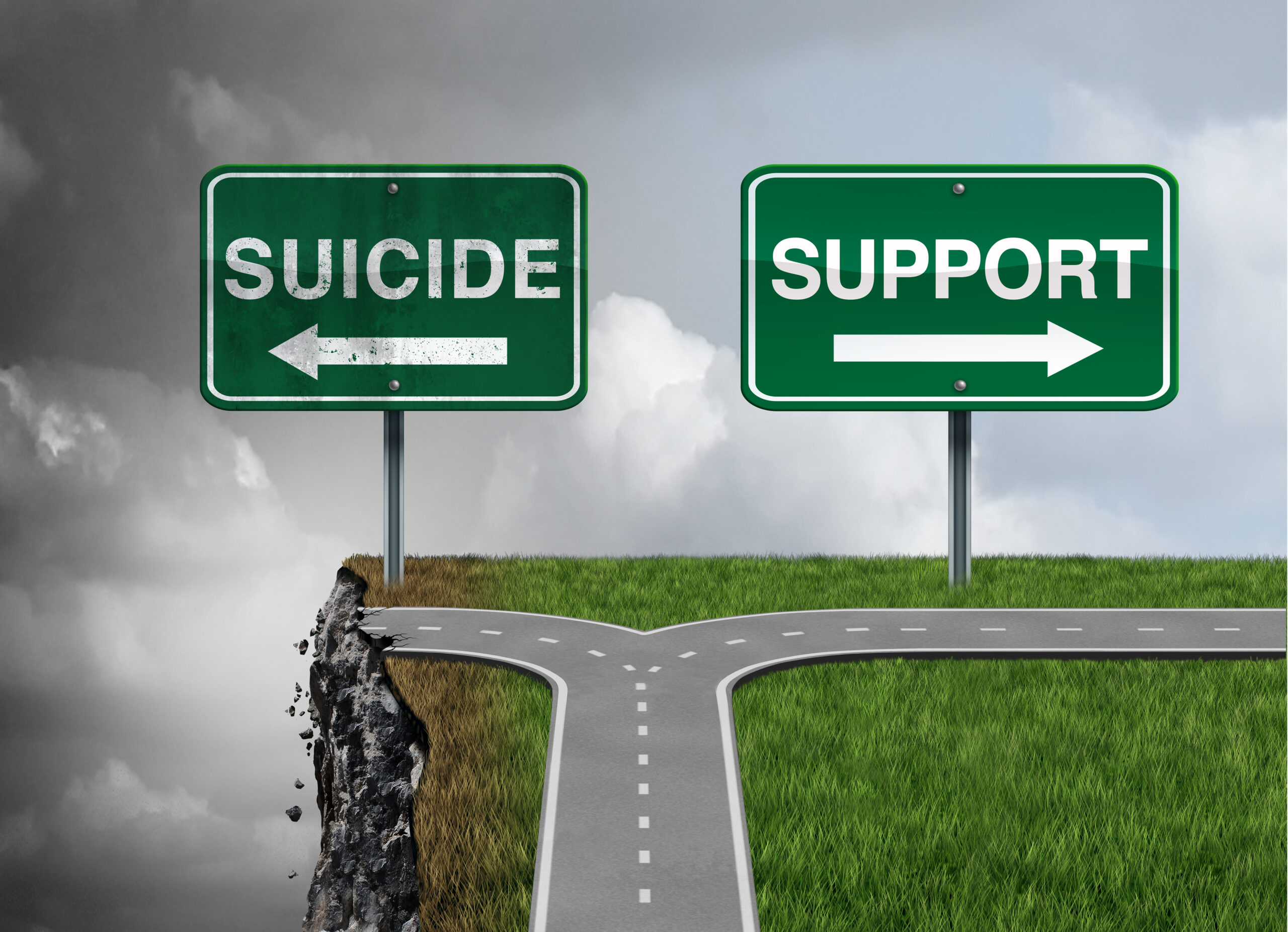
Suicide is a tragedy that leaves a lasting impact on families, loved ones and colleagues. In 2021, the Asian Fire Service (AFS) recognized this profound impact and embarked on a crucial study. We aimed to identify the latest research and practical tools to reduce suicide within our service. We were very aware of the need to carry out the study, particularly following the loss of valued black firefighters in two different services.
As Chair of a Mental Health Trust, I was also keenly aware of the disproportionate number of men and shift workers who die by suicide. Through the AFSA study, we explored this issue in-depth, uncovering valuable insights documented in our full report (available on the AFSA website: afsa.co.uk).
Shifting the focus: from sickness management to well-being
This blog highlights some key personal takeaways from hosting and chairing workshops and focus groups and hosting the final conference in 2023 at West Midlands Fire Service HQ. However, for a comprehensive understanding, I highly recommend readers access the full report. Or DM on LinkedIn
One crucial finding is the need for a cultural shift within our service, and workplaces in general. We must move beyond a reactive ‘sickness management’ approach and prioritize mental health and well-being. Equipping personnel with Mental Health First Aid training is one important vital step in this direction.
Leading with compassion and learning from every case
Effective leadership is essential in addressing suicide prevention. Leaders must be firm and value-driven, acknowledging that each suicide case is unique and requires a thorough, unbiased review. The focus should be on learning, not blame. Every life lost is a tragedy, and a chance to identify and address potential risk factors should be taken with an open transparent approach. While a coroner report will help, an internally led investigation with external support can also add value to understanding the causes and the opportunity to prevent future deaths.
Reducing risk
Suicide prevention requires a multi-pronged approach. Here are some key strategies identified by the AFSA study:
- Reduce access to means: This can involve in secure MH and or police and prisons removing ligature points, removing easy access to medications, or advocating for bridge safety measures. While home environments are more complex, encouraging responsible storage of medication and alcohol can be helpful.
- Increase mental health awareness: Educating ourselves and others about the signs and symptoms of suicide empowers intervention and support.
- Combat stigma: Open conversations around mental health are critical. Normalizing such discussions in both personal and professional settings can significantly reduce the shame and isolation associated with mental-health struggles.
- Support crisis resources: Ensure easy access to crisis hotlines and mental health services. Equipping ourselves with information on how to direct colleagues and loved ones towards these resources is crucial.
- Connect with those who are struggling: Let them know you care. Sometimes, simply acknowledging that ‘It’s okay not to be okay’ can be a powerful way to break through isolation and offer support.

Groups at higher risk
Our research confirmed that certain groups are more vulnerable to suicide ideation. These include:
- Individuals with mental health conditions like depression, anxiety and bipolar disorder
- People who have experienced trauma like abuse, neglect or loss
- Those struggling with substance abuse
- LGBTQ+ individuals
- People facing unemployment, financial difficulties or homelessness
- Veterans.
If you see something
If you are concerned someone may be suicidal, here are some crucial steps:
- Listen actively and without judgment
- Express your care and support
- Encourage professional help
- Assist with removing potential means of self-harm from their immediate environment
- If there is immediate danger, call emergency services or a crisis hotline.
Together, we can make a difference
Suicide is a complex issue, but it is preventable. By adopting these strategies, promoting open communication and offering support, we can create a safer and more supportive environment for everyone.
For more information – seek support from your line managers, occupational health,firefighter charity, or the many online helplines. You will also find many help and support lines highlighted in the AFSA report on our website – AFSA.co.uk
About the Author

Professor Jagtar Singh OBE
Professor Jagtar Singh OBE is a board-level professional with 30 years of experience in the fire service, business and public service. After retiring from the fire service in 2006, he founded Jagtar Singh Associates Ltd, a consultancy focused on equality and diversity training. He has also held various NHS non-Executive director positions in organizations like the East of England Ambulance Service and Luton and Dunstable Hospital. Additionally, Jagtar has served as chair of a MH trust for over nine years and an independent chair for the Bedford Police audit and finance for ten years.

You must be logged in to post a comment.