
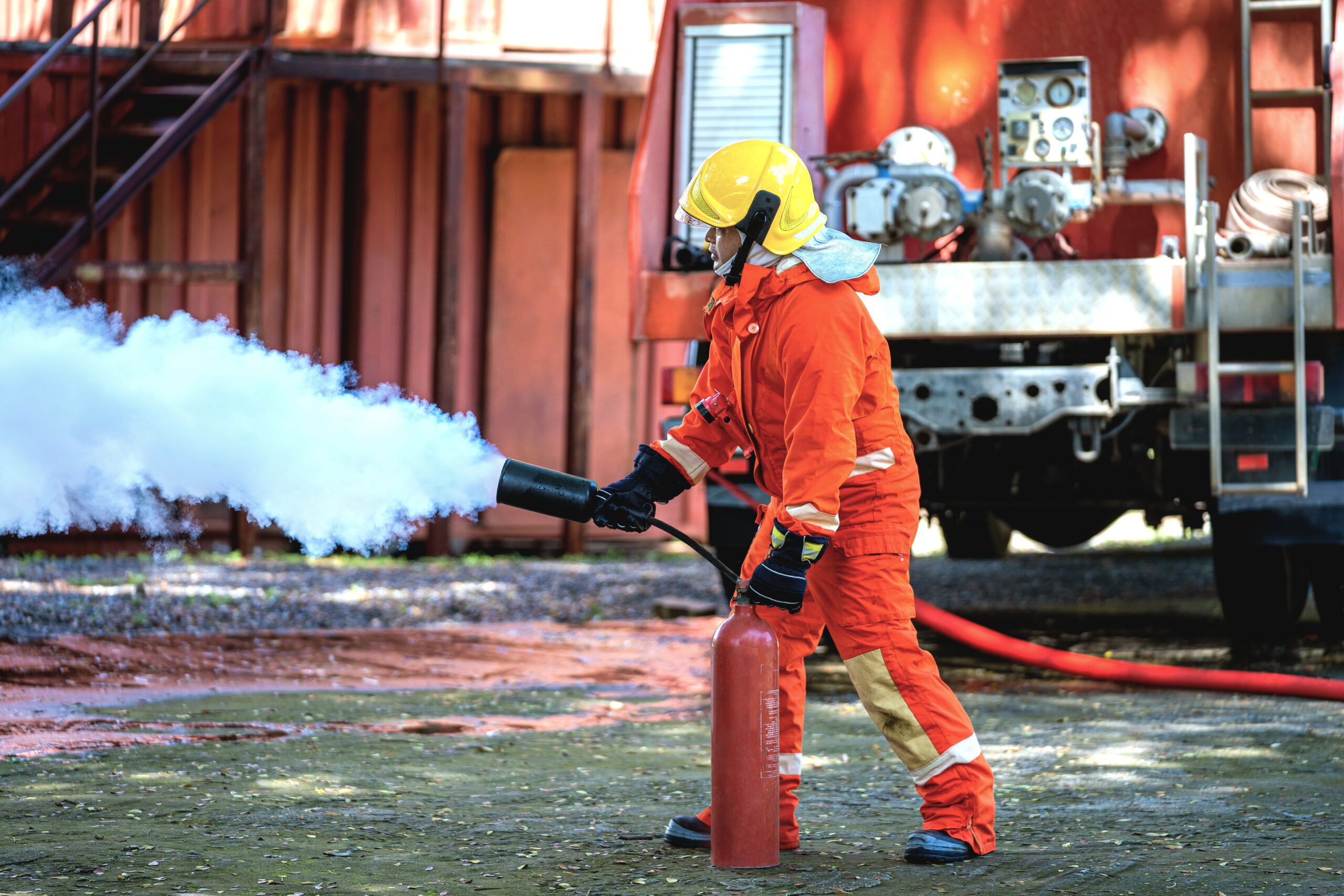
The need for fire-suppression products specifically designed for lithium-ion (Li-ion) batteries is rising. Li-ion batteries, which power many of our everyday devices and larger systems, are at a higher risk of catching fire. From smartphones and laptops to large-scale uses in industries, such as battery energy storage systems (BESS) and automated systems, these batteries can be found everywhere. Addressing this fire risk is crucial to ensure our safety at home or in industrial settings. Li-ion batteries in industrial applications are expected to increase as they become essential to cleaner electrical energy.
A fire caused by a Li-ion battery can be much more difficult to extinguish than a normal fire. It can cause a significant threat to life, with data showing that the highest instances of reported damage are within residential properties.1 And this problem is set to grow. Following several fire incidents, in late 2021, Transport for London banned e-scooters and e-bikes on public transport, including trains, busses and stations. Figures show that the number of fires caused in 2021 by exploding Li-ion batteries from e-bikes and e-scooters shot up to 150%.2

EN standards for Li-ion fire-suppression equipment are still being created. Right now, without set guidelines, manufacturers often rely on demonstrations to show how their products work, as there are no other options. This makes it hard for them to prove their products are effective and for buyers to feel confident trying new technologies.
How can BSI help you?
We want to support you when performance matters most. We offer a compliance certification that demonstrates specific items meet relevant and repeatable performance requirements in accordance with BSI protocol. Your safety is our priority, and BSI certification includes witness testing on specific battery configurations, chemistry and capacities, which are documented on the certificate.
As a prerequisite, Kitemark certification to the applicable national product standards is mandatory (e.g. for the UK: EN3 for performance and CE/UKCA for pressure regulations) Li-ion fire is a global issue so regional alternatives for portable fire extinguisher performance are also allowable. NTA 8133 is used in all cases for fire performance.

Key standards we adhere to:
- NTA 8133: 2021 Portable fire extinguishers – Performance requirement – lithium battery fires
- BS EN 3-7:2004+A1:2007 Portable fire extinguishers
- 2014/68/EU Pressure equipment
Why choose BSI?
- Independent assurance: BSI provides unbiased product performance verification, ensuring backed-up claims through rigorous testing.
- Demonstrate due diligence: During the development of national standards, BSI compliance certification showcases organizations’ commitment to the best available practices.
For more information, go to www.bsigroup.com
References
2. https://ctif.org/news/large-increase-lithium-battery-related-fires-london
About the Author

The British Standards Institution
Impartiality is the governing principle of how BSI provides its services. Impartiality means acting fairly and equitably in its dealings with people and in all business operations. It means decisions are made free from any engagements of influences which could affect the objectivity of decision making.
As an accredited certification body, BSI Assurance cannot offer certification to clients where they have also received consultancy from another part of the BSI Group for the same management system. Likewise, we do not offer consultancy to clients when they also seek certification to the same management system.
The British Standards Institution (BSI, a company incorporated by Royal Charter), performs the National Standards Body (NSB) activity in the UK. BSI, together with its Group Companies, also offers a broad portfolio of business solutions other than NSB activity that help businesses worldwide to improve results through Standards-based best practice (such as certification, self-assessment tool, software, product testing, information products and training).
You must be logged in to post a comment.