
Without question, dealing with COVID-19 has been daunting for all of us – citizens, business owners, emergency managers, manufacturers – and of course the tireless men and women on the front line. Even the very mention of the front line has changed. In COVID-19 times, the front line applies to restaurant, supermarket, distribution, transportation, research, logistics and trade workers – not to mention those toiling tirelessly in healthcare and emergency response.
To say that the coronavirus has challenged our collective resources and resolve would be an understatement; but on a somewhat surreal level – it has been strangely familiar for an organisation that has worked for nearly 125 years to reduce risk and address emerging hazards. Make no mistake, the National Fire Protection Association (NFPA) has felt the impact of this pandemic but has also quickly become a critical source of information and knowledge as a global safety authority.
As the coronavirus began to take hold in the United States, where NFPA is based, questions and considerations caused even the most astute safety professionals to take pause. Our stakeholders were facing challenges not seen before and in some cases not addressed in codes and standards. Yet those that rely on NFPA to keep people and property safe and to do their jobs effectively, were looking to us for answers. While some of those answers could be found in our codes and standards, we also encountered gray areas. But we did what we have always done. We listened to the problems our stakeholders were trying to solve, gathered insights within NFPA and external to us, and developed or directed folks to resources to help save lives.
Our initial COVID-19 outreach began in early March when we re-released a checklist and a reminder to stakeholders that the 9/11 Commission and the US Department of Homeland Security recognised NFPA 1600®, Standard on Continuity, Emergency, and Crisis Management as the country’s National Preparedness Standard® after another historic tragedy. NFPA 1600 is available at no cost and offers valuable instruction for reducing harm and developing contingency plans. This was the logical first step on our COVID content journey, because as we saw back in 2001 and have been painfully reminded quite frequently as this insidious virus has swept the globe, there is no shortcut to preparedness.
At the same time, some of our technical staff began blogging on the initial issues that were surfacing. Topics such as fire doors being dangerously propped open to minimise people touching doors were addressed.
We delved into all the issues impacting first responders. With reports of low levels of PPE, poor testing access, infection-control inefficiencies, EMS impact, and insufficient funding, among other occupational obstacles, we distilled key considerations found within NFPA 1581, Standard on Fire Department Infection Control Program and guidance for EMS providers from the Centers for Disease Control and Prevention (CDC) so that responders, dispatchers and the public had an understanding of how to handle emergency response during these trying times. Meanwhile, our government affairs staff in the nation’s capital joined with other emergency response authorities to advocate for timely first-responder resources.
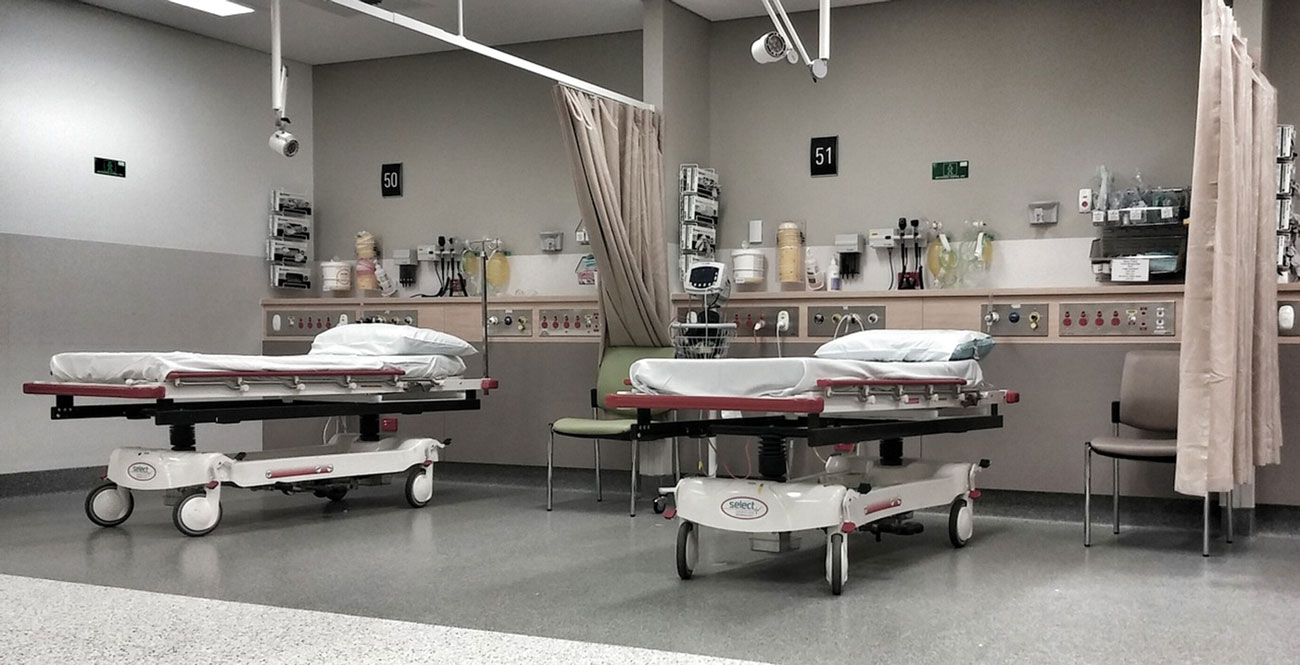
Incredible demands have also been placed on medical facilities and healthcare personnel in countries where the coronavirus has taken hold. Jurisdictions were quickly trying to convert unused buildings or other occupancies into overflow hospitals. The reality was that it would be impossible to modify or construct spaces in strict compliance with fire and life safety codes while getting ready to treat critically ill patients with the best possible care. However, we can still look to the intent of codes and standards, and use portions of NFPA 101, Life Safety Code, the most widely used source to protect people based on building construction, protection, and occupancy features and apply the risk-based approach of NFPA 99, Health Care Facilities Code, an indispensable resource for healthcare decision-makers.


Fortunately, those that work in healthcare facility management in the United States are well-acquainted with our organisation, given that NFPA codes are mandated within Centers for Medicare & Medicaid Services (CMS) requirements. Our team anticipated the likelihood of healthcare surges and began to cultivate occupancy and infection-control solutions to meet modern-day demand. In short order, we created guidance to help code officials, healthcare providers, trade workers, accrediting organisations and others address the volume of patients while ensuring care was administered in the safest settings possible.
The broader built environment has been dealing with a host of challenges. Commercial buildings have been abandoned due to stay-at-home mandates; inspection, testing and maintenance (ITM) has been abandoned; and new construction has been put on hold. Despite shifts in occupancy and functionality, ignoring the codes in place for doors, hallways, and stairwells, delaying critical maintenance, or overlooking protocol in buildings under construction simply is not acceptable. Safety must always be at the forefront, even when the path is unclear. So, we issued guidance to help policymakers understand that safety basics need to be balanced with crisis-born demands; and to emphasise that ITM workers should be deemed essential.
We are also championing innovative technologies like remote video inspection (RVI) to ensure that adequate levels of maintenance are performed during normal times, let alone during unrivalled global upheaval. We know that authorities having jurisdiction (AHJs) are typically overburdened, and now must contend with temporary occupancy inspections while navigating new issues including the storage of large quantities of sanitizer, big box stores locking exits to thwart hoarders, restrictions at grocery stores, overcrowding airport terminals, and other COVID-19 building by-products.
We have taken note that there has been a bigger appetite for public education and Community Risk Reduction (CRR) information as of late. Parents and teachers are looking for learning materials and the response community is looking to engage citizens via social media, so our website has become a popular destination for safety tips and tools. With people quarantining at home, cooking amid distractions, and overloading power sources, some areas have also reported an uptick in home fires – prompting people to visit Sparky.org, our public education resources, and our press pages. We have seen similar interest in CRR. Local leaders are looking to develop plans that direct resources towards solutions long before disaster strikes. All this activity serves as a great reminder, especially during emergency periods, that we all play a role in safety and can take proactive steps to ensure that we are not taxing the life safety resources that are already at capacity.
Just as we have since 1896, NFPA has worked hard these past few months to anticipate safety issues and provide insights that will protect people and property. As I write this article in early May, our team is finalising resources that will help businesses re-open and move forward. If you haven’t seen the handy checklist that broadly covers steps for re-opening occupancies or a subsequent series of resources, visit our website.
What I hope comes from these harrowing times, is that more people across the globe will have a better understanding of what’s required to truly ensure public safety. If we are lucky, the most enduring aspect of the coronavirus will be that it helps us to solve not only the life safety concerns that most people never considered before but also the ones for which complacency has set in.
For more information, go to www.nfpa.org
About the Author

Jim Pauley is President and CEO of the NFPA.

You must be logged in to post a comment.