
As the world grapples with the escalating impacts of climate change, the UK is facing an emerging threat long associated with the Mediterranean region: wildfires. Traditionally a problem for hotter, drier climates, wildfires are now a significant risk in the UK, driven by changing weather patterns and evolving land use. This article explores whether the UK could indeed face wildfires of the same scale and intensity as those in Spain, Portugal and Greece, and what can be done to mitigate this growing risk.
The emerging threat of wildfires in the UK
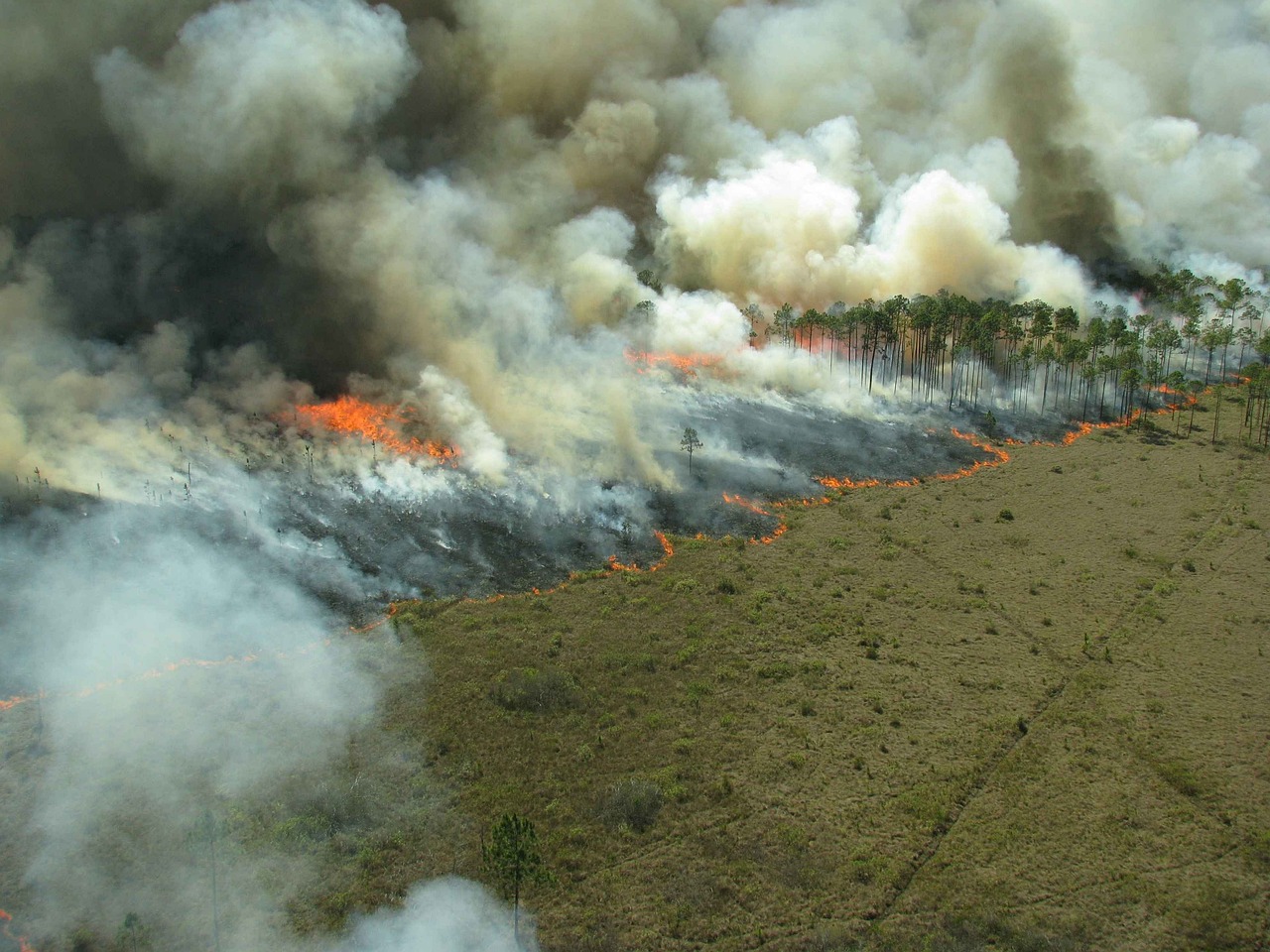
Wildfires are becoming more frequent and severe across the globe due to climate change and land-use changes. In the UK, conditions conducive to wildfires are projected to become more common, threatening not only natural landscapes but also urban communities and infrastructure.
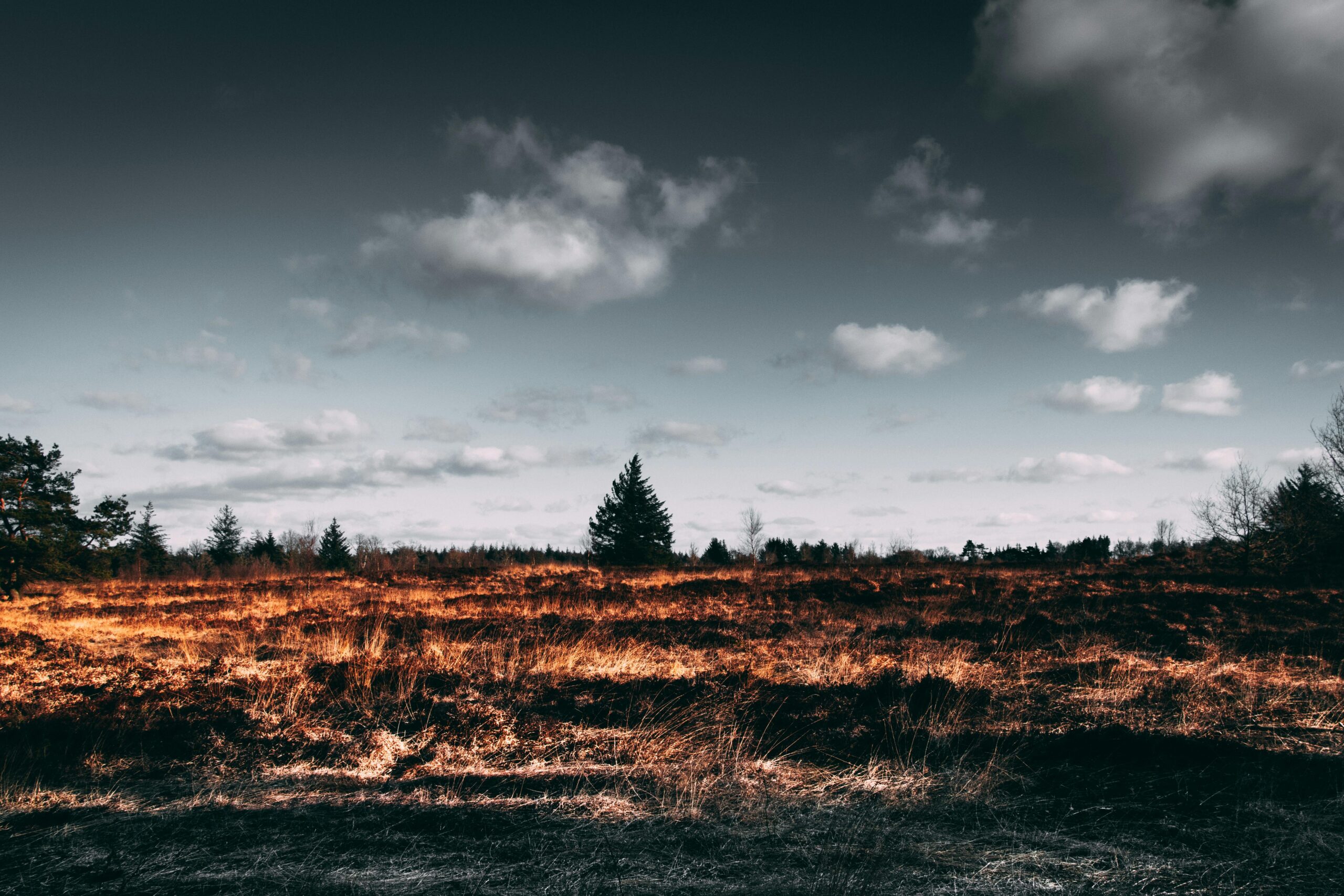
The UK has already seen significant wildfires, such as the 2018 Saddleworth Moor fire, which burned 7 square miles of upland heathland and peatland, substantially degrading air quality and exposing millions to harmful pollutants. This incident highlights the growing threat that wildfires pose to the UK, driven by both natural and human factors.
The role of climate change
Climate change is a primary driver of the increased frequency and severity of wildfires in the UK. The UK’s climate is expected to experience milder, wetter winters that promote vegetation growth, followed by hotter, drier summers that increase the risk of this vegetation catching fire. Met Office modelling predicts a significant increase in the number of days with dangerous fire weather conditions, particularly in south-east and central England.
This changing climate pattern creates an environment where wildfires can start and spread more easily. Increased vegetation growth due to wetter winters provides more fuel for fires, while drier conditions in the summer make this fuel more flammable. This combination can lead to larger and more severe wildfires, similar to those seen in Mediterranean countries.
Land-use changes and the wildland-urban interface
Changes in land use are another critical factor contributing to the increased wildfire risk in the UK. Rural depopulation and the abandonment of agricultural land have led to unchecked vegetation growth, providing ample fuel for wildfires. Simultaneously, more people are moving to or holidaying near forested areas, increasing the likelihood of human-caused ignitions.
The wildland-urban interface (WUI), where urban areas meet wildlands, is particularly vulnerable. As more people live and recreate in these areas, the risk of fires affecting homes and infrastructure grows. In the UK, nearly all wildfires are started by human activities, whether through accidental ignitions like campfires and discarded cigarettes or intentional acts of arson.
Understanding the human factor in wildfire ignition
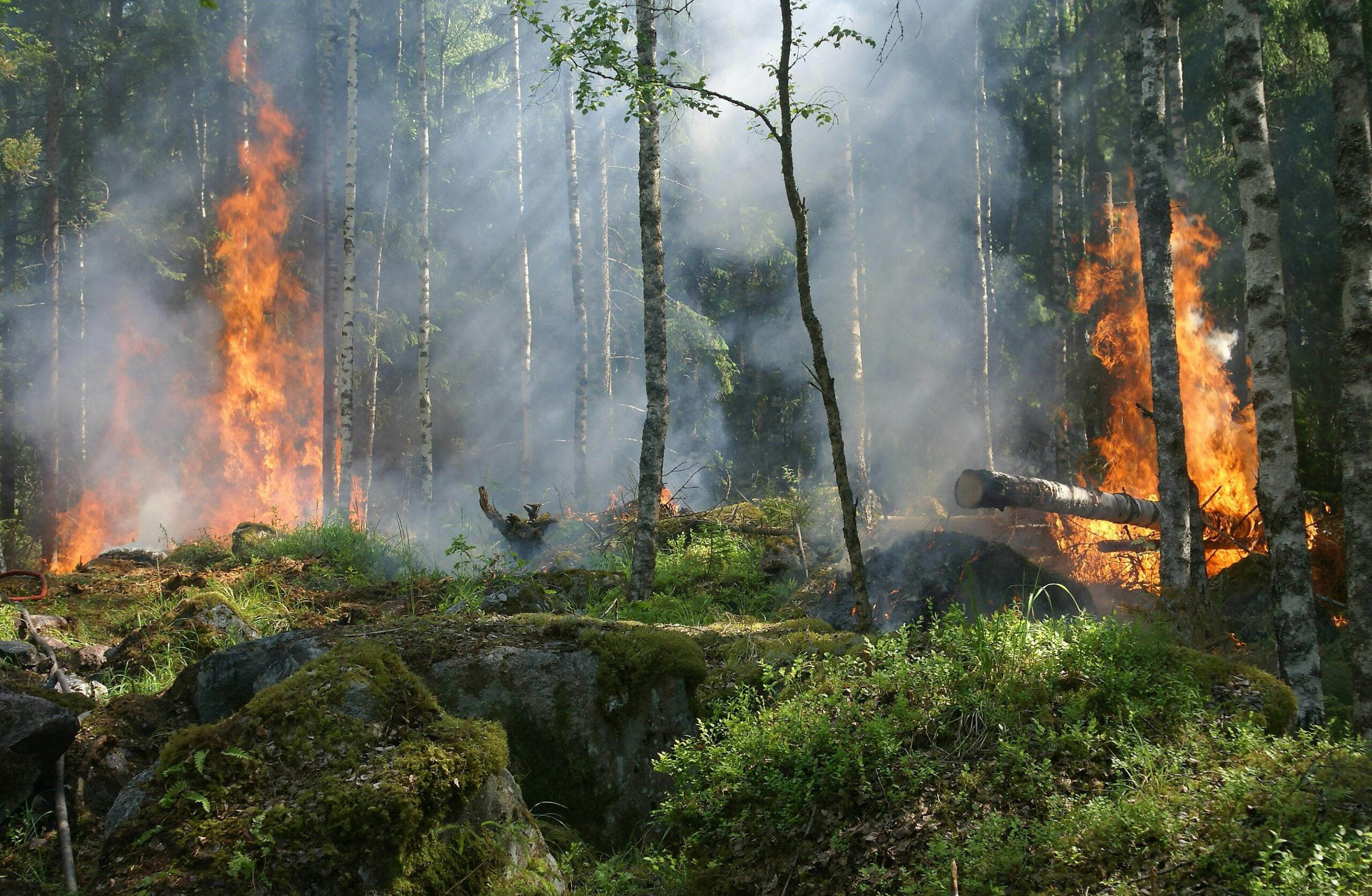
The overwhelming majority of wildfires are started by human activities, both accidental and deliberate. Accidental fires can be sparked by seemingly innocuous activities such as barbecues, fireworks or even a discarded glass bottle that magnifies the sun’s rays. On the other hand, deliberate acts of arson are a significant concern, accounting for a substantial proportion of wildfires each year.
Addressing the human factor requires a multi-pronged approach. Public education and awareness campaigns are crucial to inform people about the risks associated with various activities and how to minimise them. Stricter regulations and enforcement regarding open fires and fireworks during high-risk periods can also be effective. Additionally, promoting responsible land-management practices, such as clearing vegetation around homes and infrastructure, can create defensible spaces and reduce the risk of fire spread.
Strategies for reducing wildfire risk
To address the growing wildfire threat, the UK must adopt a multi-faceted approach that includes better land-management practices, public education and improved wildfire response capabilities.
- Land management: Effective land management is crucial in reducing the available fuel for wildfires. This can involve techniques such as thinning vegetation, using grazing animals to control plant growth and conducting controlled burns under carefully managed conditions to reduce dry plant material on the forest floor.
- Public education: Raising public awareness about the causes and consequences of wildfires is essential. This can be achieved through signage, advertising campaigns and school education programmes. By understanding the risks and how to prevent wildfires, communities can play a vital role in reducing fire incidents.
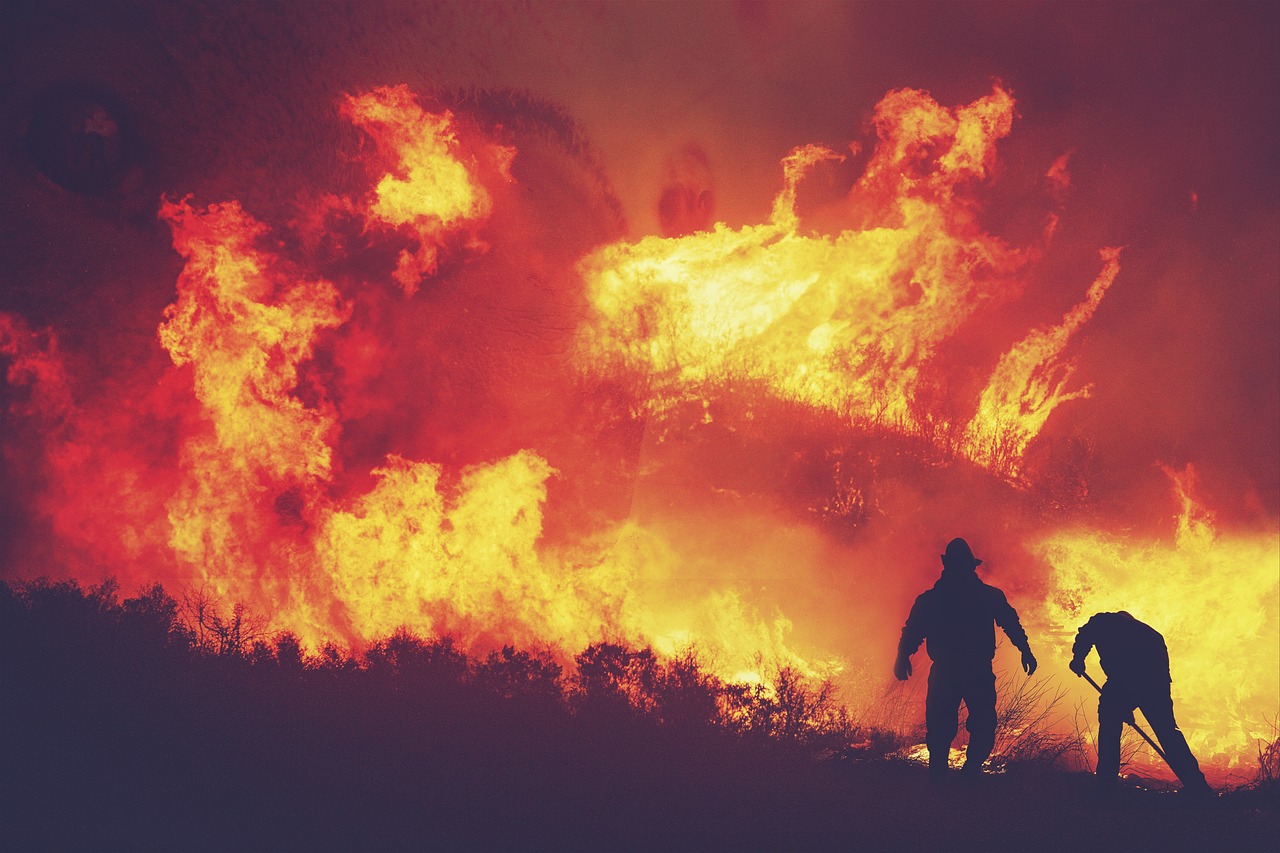
- Improved wildfire response: Despite prevention efforts, some wildfires are inevitable. Therefore, it is crucial to enhance wildfire-response capabilities. This includes providing specialised training and equipment for fire services, which have traditionally focused on urban firefighting.
Early detection: a game-changer in wildfire management
By integrating these sensors into a comprehensive early-warning system, firefighters can be alerted within minutes of a fire’s ignition, enabling a swift response that can dramatically reduce the fire’s spread and potential damage. This not only protects lives and property but also minimises the long-term ecological impact of wildfires. Investing in early detection technologies is a proactive and effective approach to tackling the growing threat of wildfires in the UK. While prevention is key, early detection of wildfires can be a game-changer in mitigating their impact. Emerging technologies, such as networks of AI-enabled cameras and gas sensors, offer promising solutions for rapidly identifying fires in their early stages. These sensors can detect the subtle signs of a wildfire, such as smoke particles or changes in air composition, long before the fire becomes visible to the human eye.
Deployment with the National Trust on peatlands in the UK
Recently, Dryad has been working with the National Trust, the UK’s largest conservation charity, to install 50 ‘ultra-early’ wildfire detection sensors on Marsden Moor – a site of special scientific interest (SSSI) and a habitat for rare birds and plants.
Marsden Moor is home to curlews, golden plover and the short-eared owl, as well as rare plants, including bog rosemary and cotton grass. It also contains carbon-rich peat, which can release greenhouse gases when burned.
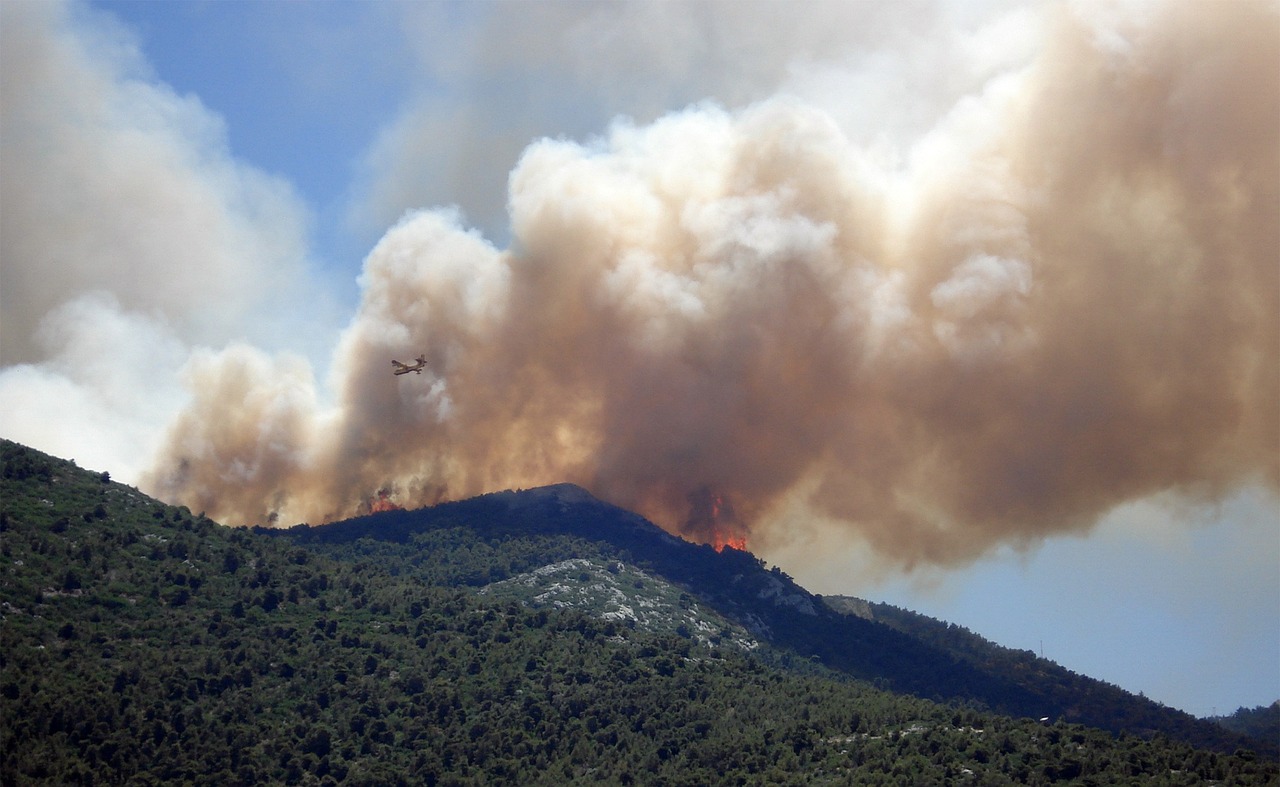
The introduction of the sensors followed a spate of seven fires on Marsden Moor in 2023, which burnt 3km2 of moorland, including the nests and eggs of rare birds and small animals that were unable to escape, such as frogs.
‘Moorland fires have a devastating impact on the landscape. During the most recent fires, our team found burnt nests and eggs, and small animals, such as frogs, that couldn’t escape. The precious peat soils, which are so important for carbon capture and water quality, could take hundreds of years to properly recover,’ explained Tia Crouch, Peatland Ecologist, at the National Trust. ‘Fires are a major threat to places like Marsden Moor, and we know that climate change is only going to increase their likelihood and severity. It is crucial that we adapt how we work and increase the resilience of our precious habitats to these impacts. Dryad’s sensors will help us detect fires earlier and respond quickly, hopefully saving wildlife and habitats.’
Conclusion
The UK faces a growing risk of wildfires similar to those in Spain, Portugal and Greece due to the combined effects of climate change and land-use changes. With the majority of wildfires caused by human activities, a comprehensive approach encompassing prevention, education and improved response is necessary to reduce the number and impact of wildfires in the UK.
By implementing strategies such as better land management, public awareness campaigns, specialised wildfire response training and investing in early-detection technologies the UK can work towards minimising the devastating effects of wildfires on both communities and the environment. Only through a concerted effort to address the root causes and enhance preparedness can the UK hope to avoid the kind of catastrophic wildfires that have plagued other European countries in recent years.For more information, go to https://www.dryad.net/
References:
National Emergencies Trust (https://nationalemergenciestrust.org.uk/wildfires-growing-risk/)
The Conversation (https://theconversation.com/wildfires-are-becoming-more-common-in-the-uk-but-the-threat-can-be-managed-187217)
BBC News (https://www.bbc.co.uk/news/world-44941999)
UK Parliament Research Briefing (https://post.parliament.uk/research-briefings/post-pn-0717/)
About the Author

Carsten Brinkschulte
Carsten Brinkschulte is CEO and co-founder of Dryad Networks.Dryad provides ultra-early detection of wildfires as well as health and growth monitoring of forests using solar-powered gas sensors in a large-scale IoT sensor network. Dryad aims to reduce unwanted wildfires, which cause up to 20% of global CO2emissions and have a devastating impact on biodiversity. By 2030, Dryad aims to prevent 3.9m hectares of forest from burning, preventing 1.7bn tonnes of CO2emissions.

You must be logged in to post a comment.