
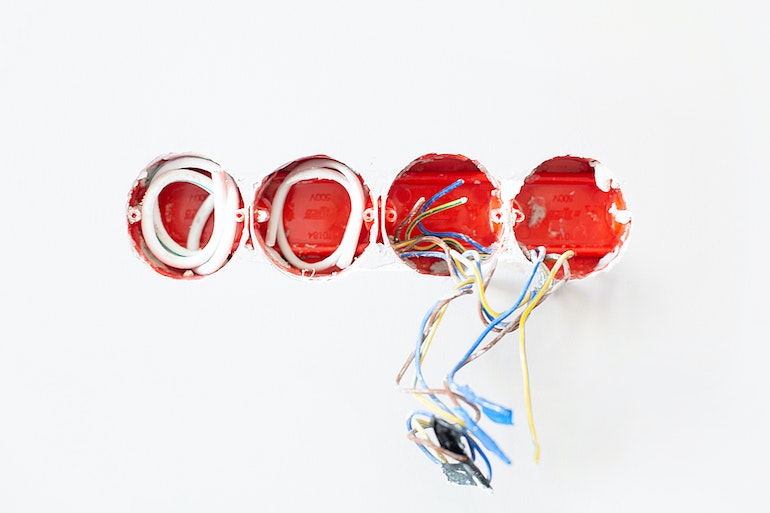
Almost 4,000 fires a year in UK homes are caused by faulty wiring, according to recent data from the Home Office. While the numbers have decreased over the years, it is still the second-largest cause of accidental fires and a concern for both homeowners and businesses in the UK.
A decrease in faulty wiring fires
The Home Office have been sharing their data and findings on the causes of fires in UK dwellings and other buildings since 2010/2011. That year, 5,060 fires were the result of faulty wiring, accounting for 15.89% of the total accidental fires in dwellings of 31,856.
Over the years, both the number of total accidental fires and the number caused by faulty wires have reduced. The latest reported figures for 2019/2020 showed that the number of accidental fires was 25,555, with 3,862 of those because of faulty wiring. This may seem like a significant reduction in fires, but faulty wires still account for 15.11% of all accidental fires in homes.
So why have the numbers decreased?
Some experts believe that it is, in part, a result of the Approved Cables Initiative (ACI). Launched in 2010, the initiative has taken a proactive approach to the number of unsafe and non-approved cables in the UK electrical supply chain. With estimates that 20% of cabling in the UK marketplace is not up to standard, it is a serious issue. Cables can also deteriorate over time and wear and tear can result in frayed or damaged wires, which is a cause for concern.
Greater access to information could also play a part in the decrease. Homeowners with concerns about cabling can quickly research the signs they should be aware of. The internet has made it easier for those with health and safety concerns to find the answers they need.
A persistent threat
While the figures have reduced over the years, the fact that the number of faulting wiring fires still make up 15% of all accidental fires is a cause for concern. It shows that unsafe cabling is a persistent threat.
The Home Office data goes into further detail, highlighting the most likely causes and which appliances or electrical items around the home are common culprits:
- Domestic style appliances make up 1,811 of fire starters, with washing machines, tumble dryers and fridge/freezers accounting for 1,160 of them.
- Electrical distribution is the second most common cause, with 720 of the 902 fires resulting from wiring, cabling and plugs.
- Cooking appliances were behind 444 faulty appliances and leads fires in 2019/2020.
- Electrical lighting was responsible for 191 accidental fires.
While other items around the home were found to be the source of fires, including central and water heating appliances and office equipment, knowing the items most likely to present this danger can help homeowners and businesses stay ahead of the threat.
Signs to look out for
Faulty wires present a real danger, not only because of the threat of fire but also the chances of electric shocks. There are a number of warning signs to be aware of, and having an awareness of these signs can help people spot potential problems.
- Dimming or flickering lights
- Discolouration or scorch marks
- Frayed or damaged wiring
- Burning smells or strange odours
- Blown fuses
It is important, should you suspect damaged wiring or faulty cabling, that you stop using the item in question and consult a professional. Local electricians are your best source of information and support, as they can repair faulty items or recommend replacements, where applicable.
It is always better to take preventative rather than reactive measures. Arranging for regular PAT testing can help with this. Portable appliance testing by trusted experts can provide you with a full report of the appliance, wiring and any potential issues that they have found. It helps homeowners and businesses stay ahead of the threat and keep others safe.
Hayley Kershaw writes for PASSfm, the North East’s leading electrical compliance contractor. They provide expert electrical services across the North East and the UK. Able to serve companies from small factories to large medical centres, they can help businesses and homeowners fix health and safety issues with faulty wiring.
