

In the intense and unpredictable environment of fireground operations, effective leadership is crucial for ensuring personnel safety, successful incident outcomes and the efficient use of resources. Incident Commanders can significantly enhance their fireground leadership by combining leadership principles with comprehensive command-and-control strategies and tactics. This integrated approach provides a robust framework for fireground leadership that emphasizes accountability, teamwork and strategic planning.
Ownership: the foundation of effective incident command
The principle of ownership, as articulated in the book Extreme Ownership, is not just a concept but a powerful tool for effective leadership in any high-stakes environment. This principle asserts that leaders must take full responsibility for everything in their realm of influence. In fireground operations, incident commanders must not just understand this principle but embody it. They must own successes and failures, ensuring accountability and fostering a culture of continuous improvement.
When a fireground operation does not go as planned, the incident commander must analyse what went wrong and implement measures to rectify the issues. This could involve enhancing training programmes, improving communication protocols or ensuring that equipment is maintained and readily available. By taking ownership of every aspect of their department’s performance, leaders set a powerful example for their team and create an environment where accountability and excellence are the norms.
No bad teams, only bad leaders
Effective leadership can transform a struggling team into a high-performing unit. Leadership is the most important factor on any team. In fireground operations, the performance of a firefighting team is a direct reflection of its leadership. If a team is not executing fireground strategies effectively, it is incumbent upon the leaders to evaluate and address the root causes.
For instance, a battalion chief might identify that a lack of coordination during multi-unit responses hampers effectiveness. By implementing targeted training sessions that focus on teamwork and communication, the chief can rectify these issues. Mentoring junior officers and fostering a culture of mutual support and continuous learning ensures that every team member is aligned with the department’s goals and mission.

Belief: the power of conviction
Leaders must be true believers in the mission. Leaders who fully believe in their mission and convey this belief to their teams inspire confidence and dedication. This belief is not just a feeling but a conviction that drives leaders and their teams to strive for excellence.
In the fire service, every firefighter, from recruits to seasoned veterans, must understand and embrace the department’s mission and values. Regular meetings and debriefs that emphasize the importance of their roles and the impact of their work can foster this belief. Leaders who passionately communicate the department’s strategic goals and operational priorities ensure that their teams are motivated and aligned with the mission.
Check the ego: humility in leadership
Ego can be a significant barrier to effective leadership. Willink and Babin stress that leaders must ‘check their egos and operate with a high degree of humility’. In the fire service, where lives and property are at stake, humility is not just a virtue but a necessity for making sound decisions and fostering teamwork. This emphasis on humility makes the audience feel valued and respected, as it acknowledges the importance of their contributions and encourages a culture of open communication and learning.
Senior officers must model humility by admitting mistakes and committing to continuous improvement. This sets a precedent for the entire department, encouraging an open culture where feedback is valued and learning from errors is a collective effort. All members should feel comfortable providing input during post-incident reviews, knowing their perspectives are respected and valued.
Cover and move: teamwork and mutual support
The principle of ‘cover and move’ is a fundamental SEAL tactic emphasizing teamwork and mutual support. In fireground operations, different units must work together seamlessly to achieve the common goal of saving lives and property. Effective coordination between engine companies, ladder companies and rescue squads is crucial for successful operations.
For example, while one team focuses on fire suppression, another might be responsible for ventilation or search and rescue. Clear communication and mutual support ensure that all tasks are covered efficiently. Leaders must instill a strong sense of teamwork and ensure all units are trained to operate cohesively during multi-unit responses.
Simple: clarity in communication
Complexity can lead to confusion and errors, especially in high-pressure situations. ‘Simple plans and clear communication are essential for the success of any mission,’ write Willink and Babin. In fireground operations, this means that commands and strategies should be straightforward and easily understood by all team members.
Standard Operating Procedures (SOPs) should be simple and straightforward, ensuring everyone knows their roles and responsibilities. During an incident, concise and direct orders help prevent misunderstandings and ensure everyone is aligned with the operational objectives. Leaders must prioritize simplicity in their planning and communication to enhance effectiveness on the fireground.

Prioritize and execute: focus on the most critical tasks
In the chaos of a fireground operation, it is vital to identify and focus on the most critical tasks quickly. Incident commanders must know the importance of prioritizing and executing in such situations. Relax, look around, make a call – this principle is crucial for fire service leaders who must constantly evaluate the situation and direct resources to where they are needed most.
Incident commanders should establish a transparent incident command system (ICS) where priorities are continually assessed, and resources are allocated to the most pressing tasks. For example, in a structure fire, the primary focus might be rescuing trapped occupants, followed by fire suppression and then property conservation. By prioritizing effectively, leaders can ensure that their teams remain focused and efficient despite extreme pressure.
Decentralized command: empowering subordinates
The principle of ‘decentralized command’ is not just a management strategy, but a critical component of effective leadership. This principle emphasizes the need to empower subordinate leaders to make decisions within their area of responsibility. In the context of fireground operations, this means that sector or division commanders should have the authority to make tactical decisions on the fireground, ensuring rapid response to changing conditions and enhancing the overall effectiveness of operations.
Training and trust are essential components of decentralized command. Leaders must ensure that their subordinates are well trained and equipped to handle the responsibilities delegated to them. This not only enhances the overall effectiveness of operations but also develops leadership skills at all levels of the department.
Plan: preparing for success
Proper planning is a cornerstone of successful operations and planning begins with mission analysis. In fireground operations, comprehensive pre-incident planning is vital to ensure preparedness and effective response. Incident commanders must know their district.
Departments should conduct regular pre-incident planning sessions involving simulations and drills for various scenarios. This includes knowing the layouts of key buildings and hydrant locations and developing specific response plans for different types of incidents. By ensuring that all units are familiar with these plans and can operate cohesively, leaders can significantly enhance their department’s readiness and performance during actual incidents.
Leading up and down the chain of command: communication and coordination
Influential leaders communicate clearly with their superiors and subordinates. Leading up and down the chain of command is about ensuring that everyone understands the overall mission and their role within it. In fireground operations, this means that mid-level officers need to ensure that the strategies and policies set by senior leadership are communicated to their teams while also providing feedback from the field to higher command.
Open and transparent communication channels ensure all team members align with the department’s goals and objectives. Regular briefings, debriefings and feedback sessions help maintain this alignment and foster a culture of continuous improvement.
Decisiveness amid uncertainty: making the call
In high-stakes environments, leaders must be able to make decisions quickly, even with incomplete information. Decisiveness amid uncertainty is critical. For fire service leaders, this means being able to assess situations rapidly and make informed decisions that prioritize safety and effectiveness.
Incident commanders should be trained to make decisive actions based on the principles of the Incident Command System (ICS), ensuring that hesitation does not compromise the safety or effectiveness of the response. Training scenarios that simulate uncertainty can improve decision-making skills and prepare leaders for real-life challenges.

Discipline equals freedom: rigorous training and adherence to protocols
Discipline in processes and execution creates the freedom to be creative and innovative. Discipline equals freedom. For fire service leaders, strict adherence to protocols and rigorous training standards ensures their teams are prepared for any situation.
Regular, disciplined training and adherence to SOPs ensure that firefighters are prepared and capable of handling diverse scenarios. This discipline allows flexibility and creativity when unexpected challenges arise, enhancing the overall effectiveness and safety of fireground operations.
Putting it together
By integrating leadership principles with comprehensive strategies and tactics, incident commanders can significantly enhance their incident command, fireground operations and command/control strategies. These principles, rooted in accountability, teamwork and clear communication, provide a powerful framework for leading in high-stakes environments.
Leaders who take full ownership of their responsibilities, foster a culture of mutual support and prioritize simplicity and decisiveness can transform their departments and ensure better outcomes during fireground operations and day-to-day management. As Willink and Babin eloquently said, ‘Implementing these principles will empower any leader to lead their team to victory.’ For the fire service, adopting these principles is not just beneficial, it is essential for success on the fireground.
About the Author

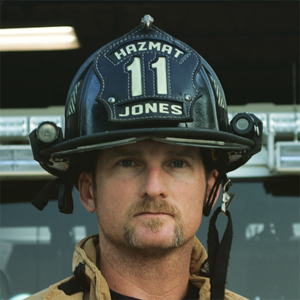
Casey Jones is a Captain and Special Operations Specialist with the Little Rock Fire Department (AR). He holds advanced degrees in Fire Science, Fire Admin and Business. He is also a Chief Training Officer and Personal Trainer.
You must be logged in to post a comment.