

Railroad accidents have shown that high-hazard transportation situations can be risky and devastating. However, the global supply chain relies on rail transit to move commodities long distances through populated areas. This article will look at past hazardous-materials disasters and discuss the impact of improved safety standards and emergency response improvements for future preparedness.
The Lac-Mégantic disaster (2013)
One of the worst train disasters in North American history occurred in Lac-Mégantic, Quebec, on 6 July 2013. A 72-car freight train carrying crude oil derailed downtown, producing a tremendous explosion and fire that destroyed much of the city. It killed 47 individuals and destroyed nearly 30 buildings. The disaster was exceptional, demonstrating various rail transit difficulties for dangerous commodities.
Cause-effect: Poor brakes, monitoring and crude oil classification caused the Lac-Mégantic tragedy. After overnight parking on a mainline track, the train rolled downhill into town due to insufficient braking force. The derailment ruptured numerous tank cars, releasing considerable amounts of crude oil that ignited.
The results were dire. The fire lasted days, making emergency response difficult. The incident polluted the Chaudière River with oil. With many businesses destroyed and individuals relocated, the community suffered greatly.

Waverly, Tennessee train derailment (1978)
A tragic train disaster in Waverly, Tennessee, on 22 February 1978, highlighted the perils of rail conveying hazardous commodities. A Louisville and Nashville Railroad train derailed in town, rupturing an LPG tank car. The explosion killed 16, including numerous emergency responders, and injured almost 200.
Cause-effect: The Waverly derailment was caused by an unreported broken rail during standard inspections. The derailment broke the tank car, spewing LPG. A vapor cloud of gas ignited, generating a vast explosion. The tremendous blow created a 30ft-deep, 200ft-wide crater.
The event revealed various train-sector shortcomings in hazardous material transit. LPG tank cars lacked pressure-relief valves and thermal protection. Lack of agency cooperation and communication hampered the emergency response. Many first responders weren’t trained to handle a large-scale hazardous materials situation, causing avoidable deaths.
Mount Carbon, WV train derailment (2015)
A crude oil-laden CSX freight train derailed in Mount Carbon, West Virginia, on 16 February 2015. A nearby residence burned down after the derailment, forcing nearly 1,000 residents to escape. Although no one was killed, the incident raised worries about rail moving crude oil, especially after the Lac-Mégantic tragedy.
Cause-effect: A damaged rail and excessive cold weather embrittled the Mount Carbon rail, causing the derailment. The derailment punctured many tank cars, unleashing crude oil that caused a days-long inferno. The incident prompted questions about crude oil tank car structural integrity and the rail industry’s ability to move hazardous products through populous regions properly.
The Mount Carbon event also stressed community hazardous materials preparedness. Residents were evacuated slowly due to emergency response agency miscommunication. The tragedy showed the need for increased first-responder training and community involvement in disaster preparation.

Industry response: safety improvements
After these occurrences, the rail industry and regulatory agencies took significant steps to improve high-hazard railcar transportation of hazardous commodities. These efforts have improved tank vehicle design, operational standards and emergency response.
Tank Design
New tank car design standards have been introduced as a significant shift following these incidents. The U.S. Department of Transportation (DOT) and Transport Canada launched new standards to phase out older, less safe tank cars like the DOT-111 and CPC-1232, which were involved in the Lac-Mégantic and Mount Carbon accidents. Newer, more robust variants like the DOT-117 and TC-117 have thicker steel shells, improved pressure relief valves, and thermal protection to survive accidents and prevent hazardous material leakage.
Electronically controlled pneumatic (ECP) brakes reduce derailments and accident severity and are also required in the revised tank car specifications. Due to their expense, specific industry stakeholders have been reluctant to use ECP brakes, but their safety benefits make them essential to reducing hazardous materials transportation risks.
Improved operations
The train industry has made operational adjustments to improve safety in addition to tank car design. These include higher speed limitations for hazardous material trains in metropolitan areas and high-hazard routes. New track and equipment inspection and maintenance methods from the rail industry focus on finding and fixing faults that could cause derailments.
Another significant rail-safety improvement is Positive Train Control (PTC) systems. Using GPS, wireless connections and onboard computers, PTC monitors train movements and automatically controls train speeds to prevent crashes, derailments and other incidents. PTC has reduced high-hazard railcar transportation concerns but has proven complicated and expensive.
Improved emergency response
The rail industry has also improved its engagement with emergency response authorities to mitigate hazardous materials events. First-responder training, community awareness programmes, and emergency communication and coordination have been provided.
One major project is the AskRail app. This mobile app provides first responders with real-time information about railcar contents. This tool helps emergency professionals quickly analyse threats and choose the best action, boosting safety and efficiency.
Besides technical alternatives, the rail industry has invested more in first-responder training. These programmes, frequently in partnership with government agencies and industry associations, offer hands-on hazardous materials event training, including rail accident and fire simulations. These programmes improve community safety by teaching first responders how to handle such occurrences.

Prepare for future incidents: emergency response agency advice
Accidents still happen, even if the training industry has improved the safety of hazardous materials in transportation. Thus, emergency response services must be ready for high-hazard railcar occurrences. The following suggestions are meant to help emergency response agencies plan and respond:
Comprehensive risk assessments
Emergency response organizations and train operators should collaborate to examine rail networks in their territories. These assessments should identify high-hazard places like highly populated urban centres or environmentally sensitive regions and examine hazardous-materials event impacts. Organizations can create more targeted and effective response strategies by knowing local rail transportation threats.
Develop and update emergency response plans
Emergency response agencies should have specific plans for hazardous materials. These plans should be regularly examined and updated to reflect rail operations, technology and laws. Plans should also include explicit communication and coordination methods between agencies, evacuation standards, and public health and safety recommendations.
Invest in training and resources
First responders need ongoing training to handle hazardous materials events. Emergency response agencies should regularly train rail accident managers on the latest methods and best practices for dangerous items. Organizations should ensure proper access to specialist equipment and safety gear to respond to such disasters.
Community engagement
Emergency preparedness requires community involvement. Emergency response agencies should educate local communities about hazardous materials, transportation dangers and accident response. Community drills, educational materials and clear emergency communication lines are examples.
Work with rail operators
Emergency response agencies and rail operators must work together to respond to hazardous-materials accidents. Authorities should work closely with rail operators on planning and training. This partnership should also include sharing information about dangerous products being carried through the area and their dangers.
The many high-hazard railcar tragedies throughout history have shown that transporting hazardous materials is dangerous. However, these disasters have improved rail safety and emergency response by forcing industry adjustments. Investing in safety enhancements and preparing our emergency response organizations, we can lower high-hazard railcar transportation hazards and protect railway communities.
About the Author

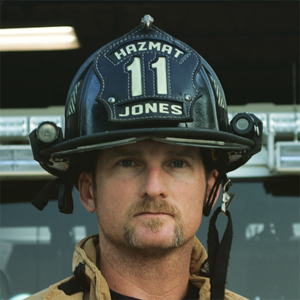
Casey Jones is a Captain and Special Operations Specialist with the Little Rock Fire Department (AR). He holds advanced degrees in Fire Science, Fire Admin and Business. He is also a Chief Training Officer and Personal Trainer.
You must be logged in to post a comment.