
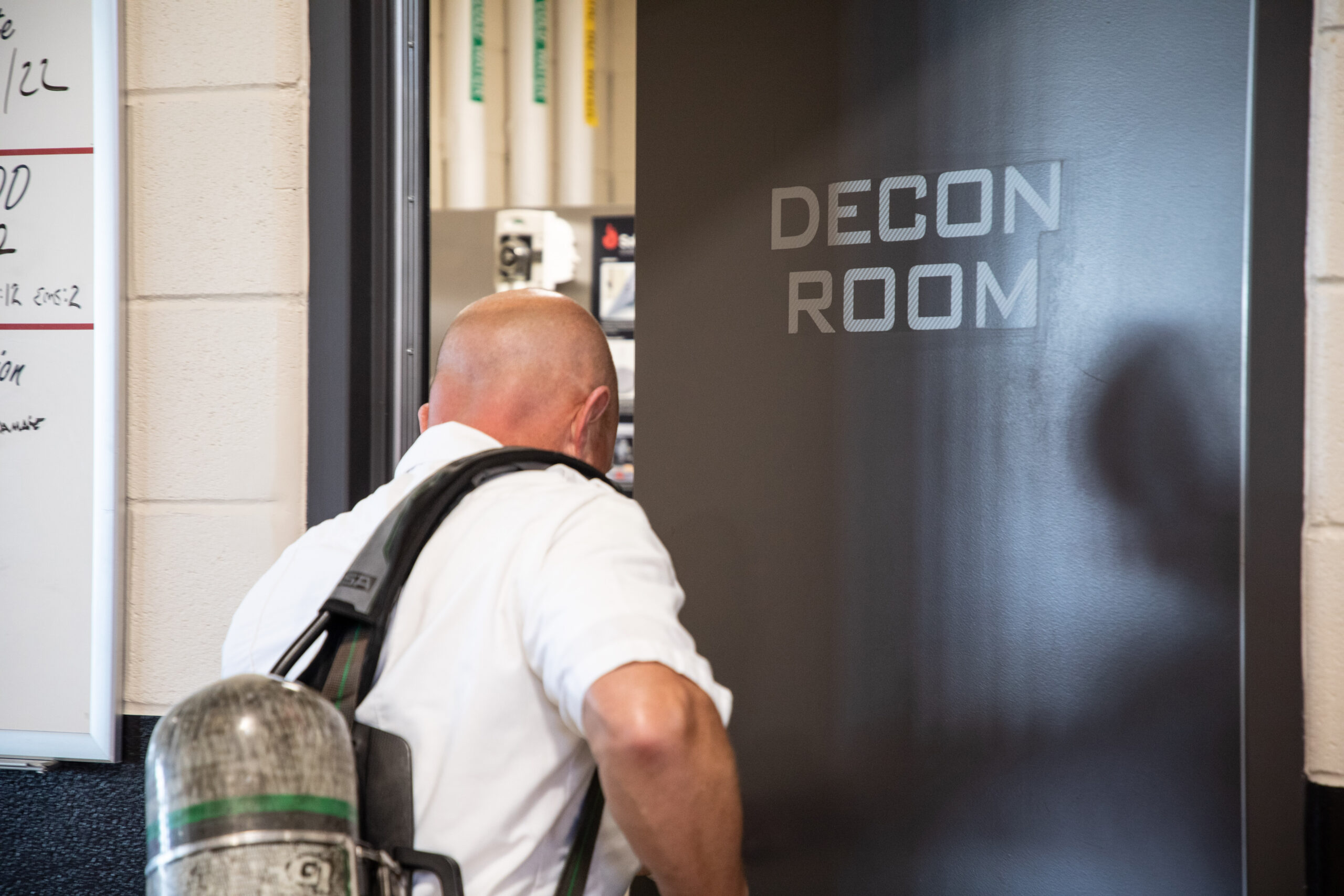
Several studies1 have shown that firefighters and personnel working at fire and rescue services face significant risks of exposure to carcinogens. In July of 2022 the International Agency for Research on Cancer (IARC), the cancer agency of the World Health Organization (WHO), concluded that occupational exposure as a firefighter is to be considered as carcinogenic to humans.2
By implementing proper decontamination practices, conducting thorough cleaning of personal protective equipment (PPE), maintaining good personal hygiene and conducting regular health monitoring, firefighters can mitigate their exposure and protect their health.
Depending on what resources you have at your station the exact way of taking on this task may differ. The important thing is to get started. Don’t set the bar too high at first. It is always better to do something than to do nothing at all. Be creative and start with what you have available today and define clear goals on how to improve from there. And remember that clean gear saves lives.
Always use appropriate clean PPE
When entering a fire or the aftermath of a fire you should always use appropriate PPE. Always wear gloves and try not to leave any skin exposed during an operation or exercise. Make sure your PPE has been cleaned and decontaminated properly before use.
One of the most important things you can do to minimize exposure to carcinogens is to always wash and decontaminate your PPE after every operation or exercise.
How to decontaminate PPE
Decontamination is a critical step for firefighters in reducing exposure to carcinogens. It involves the removal of harmful substances from the body and equipment. Remember that these substances can enter your body both through respiratory and dermal exposure. It is therefore important to use appropriate protective equipment while handling contaminated gear. This can include disposable gloves and some sort of respiratory protection.

Gross decontamination (preliminary exposure reduction)
Gross decontamination or preliminary exposure reduction (PER) refers to the immediate removal of visible contaminants from the body and PPE and includes actions such as brushing off loose debris, removing contaminated clothing and wiping down exposed skin. This can be done by either dry or wet mitigation techniques. While both techniques are effective, wet mitigation techniques should be the preferred method when possible. This is due to studies that have been conducted verifying that 80–85% of contaminants are removed during wet PER.3
This procedure can be hard to conduct on your own, so it is recommended that you have a colleague help you.
Bagging PPE for transport
After gross decontamination, it is crucial to bag the contaminated PPE to prevent further exposure during transport and upon arrival at the station. Sealable, impermeable bags should be used for this purpose. Properly labelled bags ensure that contaminated gear is handled with caution, minimizing the risk to others, and reducing the spread of contaminants.
Once the PPE is in the bag, where possible it should be transported in an exterior compartment of the apparatus.
Advanced cleaning of PPE
Upon return to the station the PPE needs to go through advanced cleaning as soon as possible to ensure that the gear is being cleaned effectively and safely.
Turnout gear – extractor/washing machine
Cleaning turnout gear, including coats, pants and hoods, should be performed using specialized extractors or washing machines. (Most residential washers have a spin cycle that generates over 400G. In order to wash your PPE, you need a gear extractor that washes at less than 100G. The difference in G force can be enough to destroy your gear and put your members at risk.) These machines are designed to effectively remove contaminants while preserving the integrity of the gear. Fire and rescue services should follow the manufacturer’s guidelines and maintain regular maintenance schedules for the cleaning equipment.
SCBAs, face masks, boots, gloves, and helmets – by hand or using decon washers
Cleaning SCBAs, face masks, boots, gloves and helmets can be done using a decon washer designed specifically for this purpose or by hand using brushes and soap. However, cleaning the equipment by hand poses a health risk due to unprotected exposure to carcinogens. It can also be both time-consuming and hard work. With a decon washer, on the other hand, the entire cleaning process is carried out inside the machine, ensuring minimal exposure.
Always make sure to follow the manufacturer’s instructions carefully to ensure thorough cleaning and disinfection of these critical items. Regular inspection and maintenance are essential to keep the equipment in optimal condition.
Avoiding cross-contamination
Studies show that carcinogenic particles can be found in most areas within a fire station.4 Proper decontamination protocols should therefore include measures to avoid cross-contamination. Firefighters should be aware of the risk of transferring contaminants from contaminated areas to clean areas. Implementing strict procedures, such as designated entry and exit points, can help prevent cross-contamination.
Hot, warm and cold zones
Establishing designated hot, warm and cold zones (also referred to as red, orange and green zones) is essential for effective decontamination. Hot zones represent contaminated areas, which are areas with equipment returning from a fire scene. Warm zones are where the decontamination of both equipment and personnel happens. This can include rooms dedicated to gear laundry and PPE decontamination as well as showers rooms. Clearly demarcating these zones helps ensure that contaminated gear and equipment do not enter clean areas, minimizing the risk of exposure. If possible, adjust the ventilation system accordingly to create over- and under-pressure to prevent airborne particles from travelling to warm and cold zones. It is also recommended that the hot zone should have a separate entrance from the outside to prevent cross-contamination throughout the premises during transport.
Storage of clean equipment
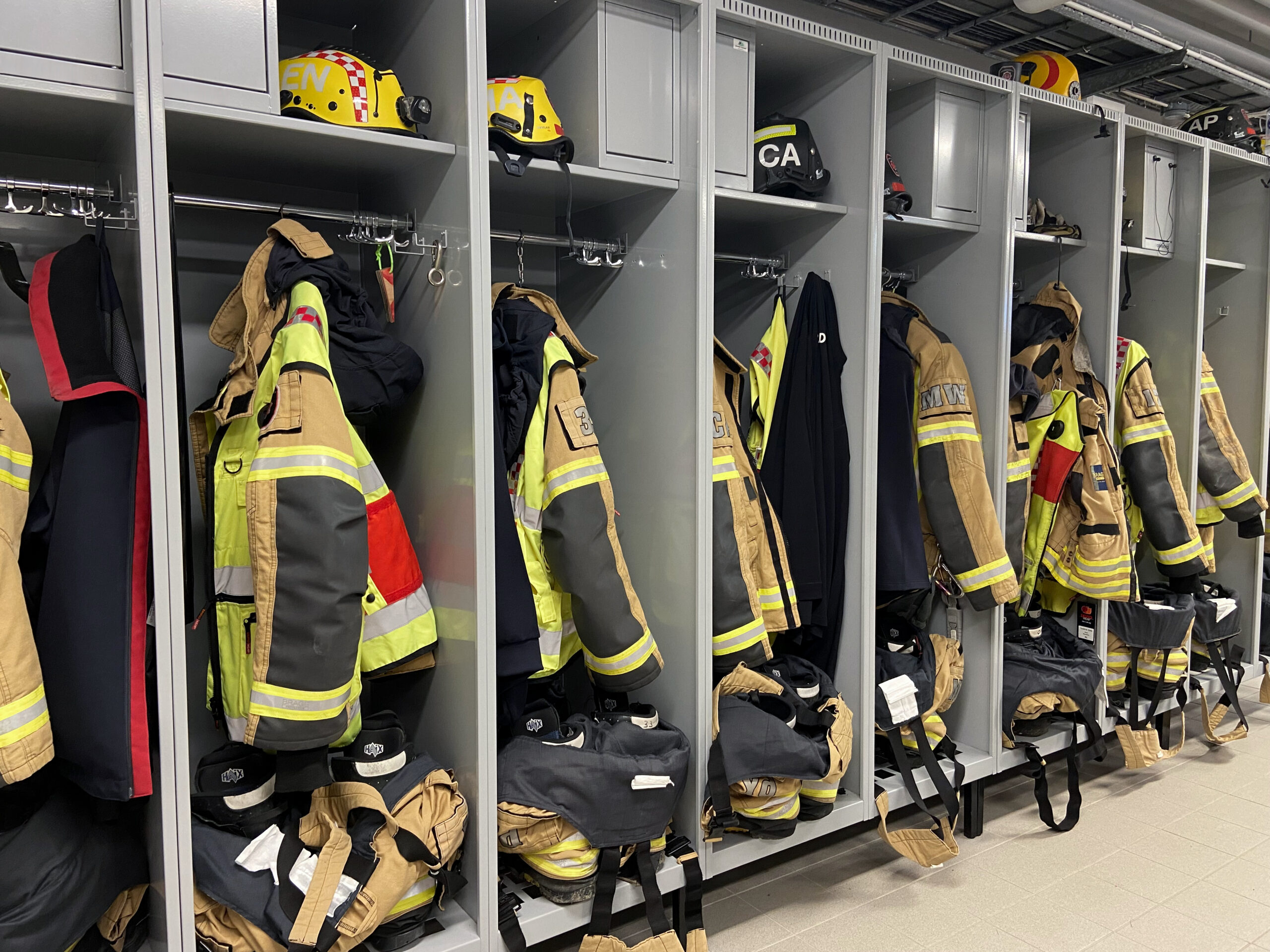
Proper storage of clean equipment is crucial to prevent cross-contamination. Fire and rescue services should allocate separate storage areas for clean gear and equipment. Implementing routine cleaning schedules and inspections will ensure that equipment is maintained in a contaminant-free state.
Personal hygiene
One of the most important things you can do to minimize dermal exposure is to shower within the hour. Take a shower as soon as you can and change into a clean uniform. Use cold water in the beginning to make sure your skin pores are closed. Stopping dermal exposure and cleaning all the contaminants off your body is critical.5 As an organization, you will need to make important decisions about this step in the process.
Documenting the event – exposure report
Documenting exposure incidents is crucial for monitoring and managing long-term health risks. Fire and rescue services should establish a comprehensive system for reporting and documenting exposures. This includes recording incident details, identifying potential carcinogens involved, and tracking affected personnel for future health monitoring.
It is recommended to do an exposure report after every fire no matter how big or small.
Even with taking all the necessary steps and precautions mentioned above, it’s still possible to develop cancer. Protect yourself and your family by documenting the exposure. Free apps and resources are available to help with the process and regardless of how you do it, what matters is that you are.
Conclusions
Reducing exposure to carcinogens is of utmost importance for the well-being of firefighters and fire and rescue service personnel. By implementing the practices outlined here, including proper decontamination, advanced cleaning of PPE and maintaining personal hygiene, firefighters can significantly reduce their exposure to carcinogens. It is imperative for fire and rescue services to prioritize the health and safety of their personnel by adopting these guidelines and promoting a culture of safety and wellness.
References
- https://www.rescueintellitech.com/en-us/safety-health-for-firefighters/cancer-the-number-one-cause-of-death-among-firefighters/
- https://www.iarc.who.int/news-events/iarc-monographs-evaluate-the-carcinogenicity-of-occupational-exposure-as-a-firefighter/
- https://www.firehouse.com/safety-health/ppe/turnout-gear/article/12352711/ifsi-research-supplement-cleaning-and-decon-considerations-after-the-fire
- https://www.nature.com/articles/s41598-018-20616-6
- https://www.ncbi.nlm.nih.gov/pmc/articles/PMC8647371/
About the Author

RESCUE Intellitech
At RESCUE Intellitech we are dedicated to develop and market innovative products for emergency services, fire services and HazMat organizations. Few people know the challenges that are facing first responders in their day to day work life. Our goal is to introduce innovations that makes their jobs easier by removing work related risks, both before and after each emergency call.

You must be logged in to post a comment.