
Bulletin #52: Endocrine disrupting PFAS
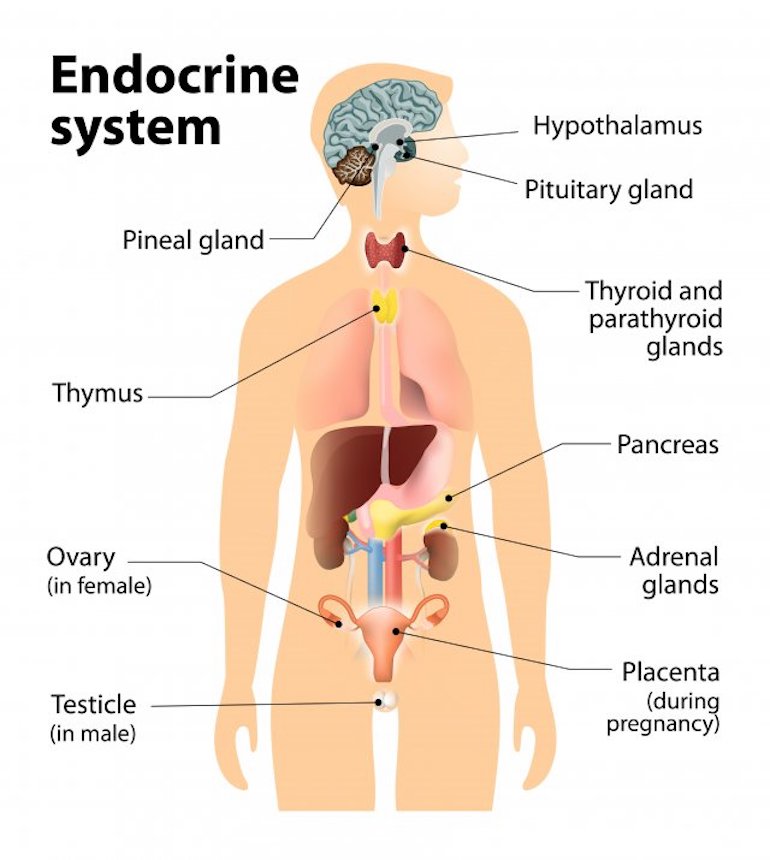
‘The endocrine system, made up of all the body’s different hormones, regulates all biological processes in the body from conception through adulthood and into old age, including the development of the brain and nervous system, the growth and function of the reproductive system, as well as the metabolism and blood sugar levels.
In the last two decades there has been a growing awareness of the possible adverse effects in humans and wildlife from exposure to chemicals that can interfere with the endocrine system. These effects can include:
- developmental malformations,
- interference with reproduction,
- increased cancer risk, and
- disturbances in the immune and nervous system function.1
‘PFAS chemicals can affect our biology by mimicking fatty acids – the building blocks of fat in our bodies as well as the foods we eat. They also act as endocrine-disrupting chemicals (EDCs) due to their ability to interfere with hormone systems. Exposure to PFAS chemicals can cause adverse health effects. Studies conducted near Parkersburg, West Virginia found a probable link between perfluorooctanoic acid (PFOA) exposure and six disease categories: diagnosed high cholesterol, thyroid disease, ulcerative colitis, testicular cancer, kidney cancer and pregnancy-induced hypertension.
Research indicates PFAS can:
- alter cholesterol levels,
- disrupt thyroid function,
- harm liver and kidney function,
- alter immune response,
- raise risk of ulcerative colitis,
- harm reproductive health,
- increase the risk of birth defects,
- decrease infant birth weights, and
- cause tumors and cancer.2
Different PFAS chemicals can affect different areas and organs of the body.3 USEPA has been aware of PFAS “critical target organs” since 1989 (USEPA, 1989).4
Sources
- USEPA, accessed March 4, 2022, www.epa.gov/endocrine-disruption/what-endocrine-system
- Endocrine Society, PFAS Chemicals: EDCs Contaminating Our Water and Food Supply, accessed March 4, 2022, www.endocrine.org/topics/edc/what-edcs-are/common-edcs/pfas
- USEPA, accessed March 3, 2022, www.epa.gov/endocrine-disruption/what-endocrine-system
- Oxford University Press, Society of Toxicology, p. 266, Application of a Framework for Grouping and Mixtures Toxicity Assessment of PFAS: A Closer Examination of Dose-Additivity Approaches, Philip E. Goodrum, et al., 2020, academic.oup.com/toxsci/article/179/2/262/5879299?login=true
Foam Exposure Committee: codepfas@gmail.com
