
This article discusses common mistakes made by our communities and what can be done to ensure fire safety is kept on the forefront of everyone’s minds.
Health and safety training in the workplace is not just encouraged, but essential, with many businesses hosting quarterly fire and emergency drills. These procedures not only safeguard employees but can often open up a dialogue about fire safety or improvements which can be made for the benefit of the group. While workplace preparation is vital, one of the biggest oversights in fire safety is not having similar protocols in place within our own communities.
The vast majority of fires within the UK take place at home, so it’s highly advisable to prepare an exit strategy in the event of a fire emergency. To ensure that your community fire safety plan is up to scratch, it’s important to know what you’re up against by understanding what the most common causes of household fires are:
- Electrical distribution and appliances
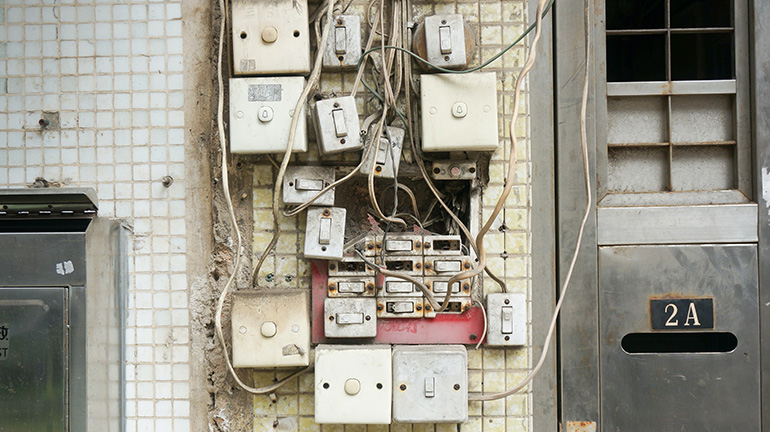
Electrical items are the biggest culprit of home fires. These instances can be easily avoided by carrying out a PAT test every twelve months. It’s crucial to replace damaged or frayed wiring and to throw out old or faulty appliances. Never overcrowd electrical outlets and only use extension cords if necessary, refraining from overwhelming units by ‘daisy chaining’ extensions to fit more appliances. All electrical appliances should be repaired or installed by a certified professional to reduce risk of electrical fires.
Watch out for sockets and fuses that blow for no reason or flickering lights and scorch marks on sockets or plugs. These signs are easy to see and can alert you to unsafe environments. A common habit in households is to leave televisions and laptops unattended overnight on ‘standby’ mode, they should always be switched off when not in continual use to avoid overheating. Whilst personal home assistant devices are meant to be in constant operation, be sure to look out for hot plugs and turn off outlets when you will be out of the house for extended periods of time such as holidays or weekends away.
- Smoking materials, lighters and matches
Keeping matches nearby lit candles or leaving lit candles unattended overnight are palpable dangers within the home. The festive season sees a 12% surge in call outs compared to the monthly average and over the last three years, fire crews dealt with 2,300 fires on Christmas Day alone.
When celebrating the festivities try safer alternatives such as battery operated or LED candles. Faux candles are also great as a substitute, particularly if you are living with young children. Remember whilst using automatic or mechanical lighting sticks, to ensure the metal ends have cooled before placing them back in drawers and similarly when tossing extinguished matches in the bin. Always let hot matches cool in a metal or ceramic dish or run them under water for extra precaution.
- Space heaters
Portable heaters are behind 79 percent of deadly home fires, according to the National Fire Protection Association. Half of those fires start because an object such as a curtain, or piece of furniture is sat within three feet of the heater getting far too hot and catching fire. Keeping flammable items at the recommended distance from the heater is an essential step to warding off potential fires. Do not cover heaters or air vents with dry or damp washing, even if you have installed a fireguard.
Always check the amp required corresponds with the outlet you are plugging into. If your space heater requires 20 amps and your outlet is only 15 amps, search for somewhere else to plug it in.
While some space heaters utilise a self-timer or sleep feature, be sure to manually switch off the heater when it’s not in use. By assuming the heater will automatically turn itself off, you leave yourself at risk as the heater may malfunction. Additionally, as self-timers only control the product itself and not the outlet, the plug still may be at risk of overheating.
- Cooking
According to the London Fire Brigade, around 60 percent of fires in the home begin in the kitchen.
It is crucial to be aware of your safety whilst cooking:
- Try not to leave cooking unattended on the hob or grill – if you leave the kitchen turn off the heat
- Do not cook whilst under the influence of alcohol or medication that can cause drowsiness
- Be aware of loose clothing that can easily catch fire, take care not to lean over a hob and always keep tea towels and clothes away from the cooker
- In the event of loose clothing or a cloth catching fire; practice the stop, drop and roll rule – don’t run, lie down on the ground and roll in heavy fabric or a fire blanket to smother the flames
- Keep the oven, hob, extractor fan and grill as clean as possible – built up fat and grease can ignite and cause fires
- Use spark devices to light gas cookers, they are far safer than matches or lighters as they don’t have a naked flame.
- Ensure toasters are kept clean and not placed under kitchen cabinets
- Never place anything made of metal in a microwave
- When cooking on the stove-top, use the fan or open a window to disperse any smoke and avoid accidentally triggering any fire alarm
- If water or food spillages occur whilst the hobs are on and in use, turn off the heat, remove any pans, and let it cool before using any cleaning equipment
Fires need fuel in order to spread. In the event of a home fire, fuel could likely be:
- Cooking fats and oil
- Textiles, upholstery and flammable furnishings
- Loose fittings and wires within the house structure itself
- Paper, card, rubbish or recycling items
To prevent fires from spreading, it’s important to take the necessary steps to keep all ‘fuel items’ away from any possible fire sources. This includes electrical sockets, appliances, or open flames. If important electrical outlets are hidden behind large pieces of furniture such as television stands or couches, be sure to keep enough distance between the object and the outlet to prevent crowding. Check these out of sight outlets once a month to ensure there are no obvious signs of scorch marks. It’s also a good idea to add turning off these outlets to any checklist you may have before leaving on holidays.
Good fire safety precautions can be practiced as part of your daily routine. Ensure you keep a torch and phone by your bed in case of a fire during the night.
Install a dual alarm that uses long-life lithium batteries on every level of your home (including the basement). Test smoke alarms monthly to make sure they’re working properly and ensure you take the time to replace batteries every year for complete peace of mind.
Before heading to sleep, carry out safety checks to ensure there aren’t any potential fire hazards:
- Close all internal doors to prevent smoke spreading if a fire starts.
- Turn off and unplug electrical appliances unless they are designed to be left on – like your fridge or freezer.
- Don’t leave the washing machine, tumble dryer or dishwasher on overnight and unattended.
- Don’t leave mobile phones, tablets or e-cigarettes charging overnight, especially close to your person.
- Check that your hob and oven switches are all off.
- Turn heaters off, rake out fires and put a fire guard in place.
- Put candles, incense sticks and oil burners out and never leave them burning when you are asleep.
- Make sure cigarettes butts are completely put out – wet them to be sure.
- Ensure fire escape routes are clear of anything that may slow down or obstruct our exit route.
- Keep door and window keys where everyone you live with can find them.
If you find yourself trapped with no feasible exit to safety, get everyone into one room, ideally with a window and a phone and place bedding around the bottom of the door to stifle smoke. Call 999 when possible and open the window to let your presence be known. If you’re on the ground or first floor, you may be able to escape through a window. Use bedding to cushion your fall and lower yourself down carefully – don’t jump. If you can’t open the window break the glass in the bottom corner and make jagged edges safer by cushioning with a towel or thick blanket.
Don’t make the mistake of investigating what’s happened in the event of a fire or rescuing valuables. If there’s smoke, keep low where the air is clearer. In the event of having to open a door, check if it’s warm. If it is, don’t open it – it is likely the fire is on the other side.
About the Author

Peter Lackey, Safety Expert at ADT Fire & Security has previously served as a firefighter, offshore survival instructor and mines rescue team member specialising in firefighting.
