

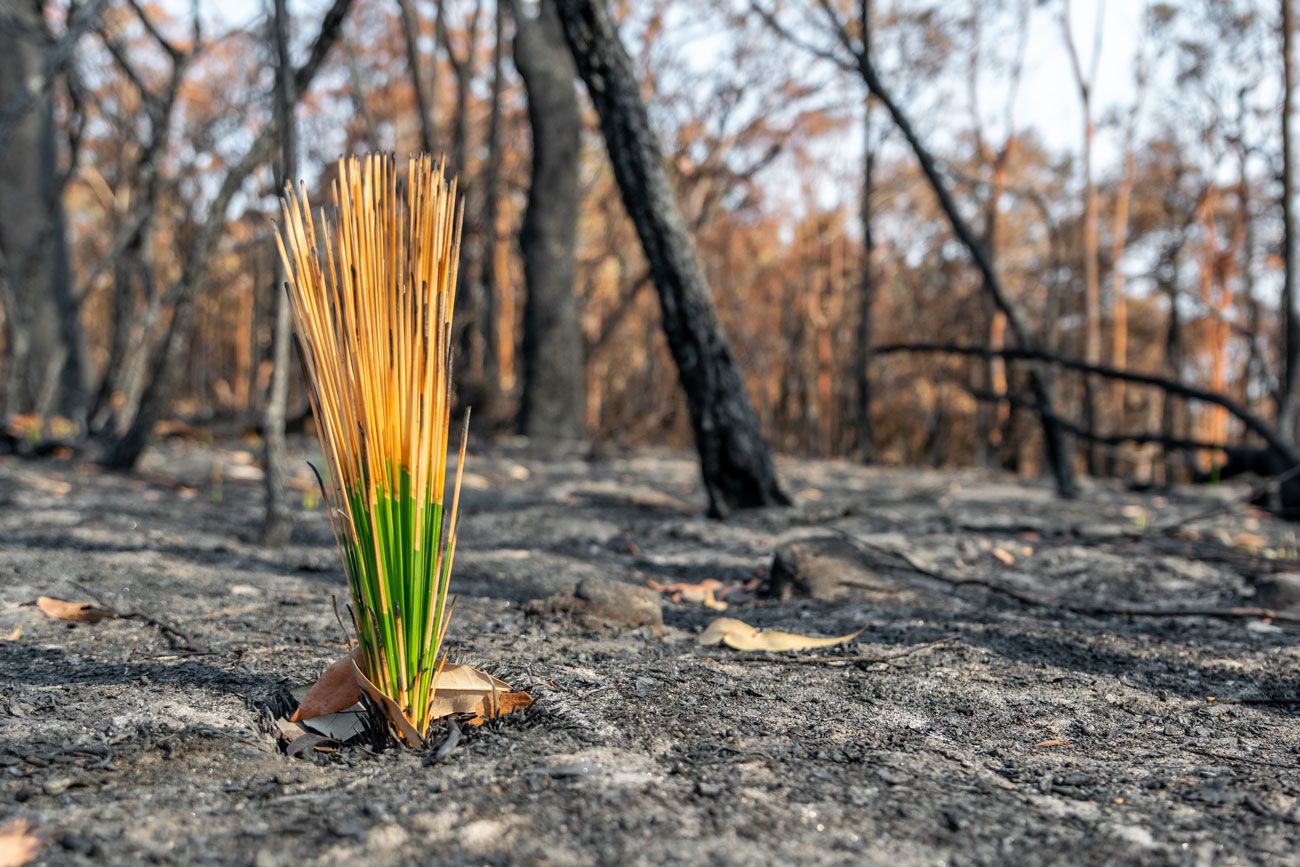
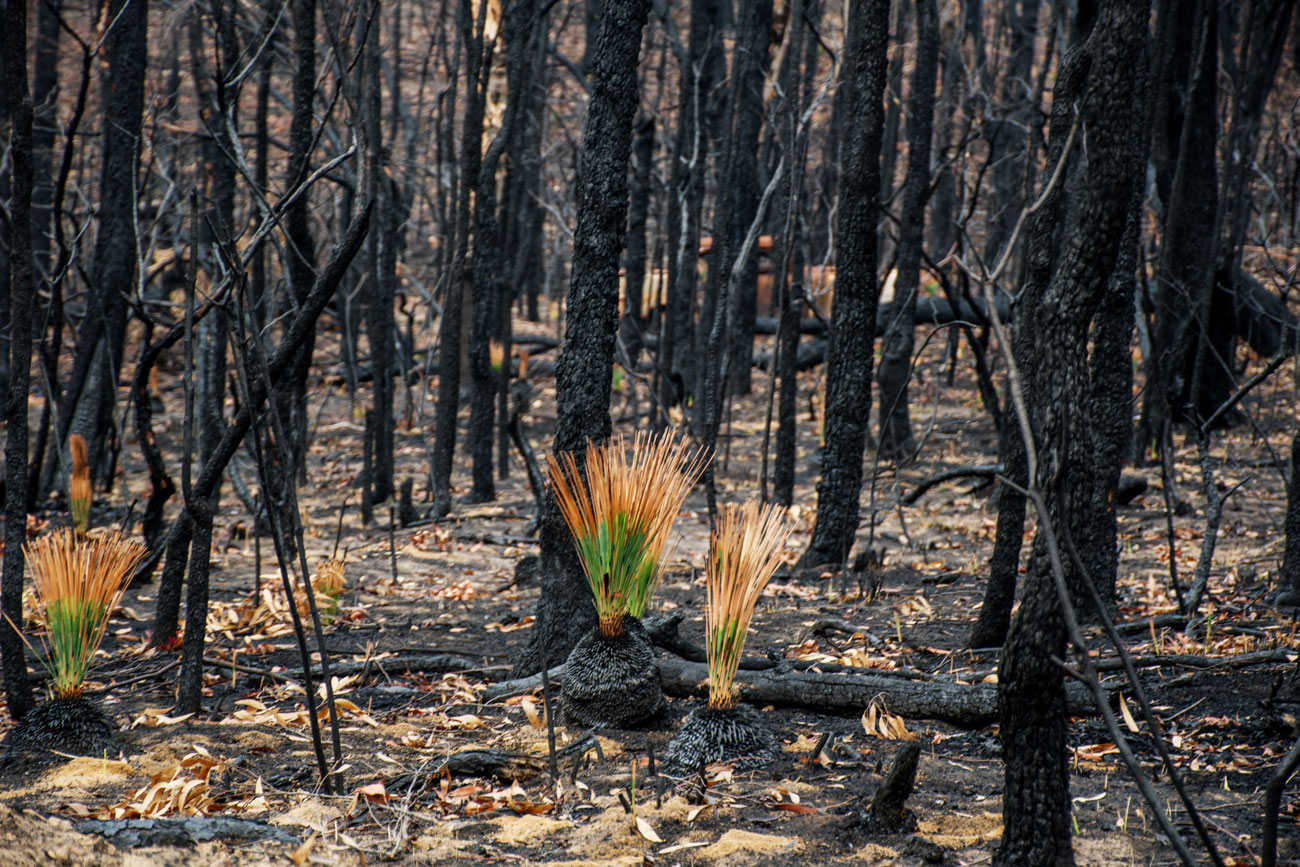
Australia’s 2019–20 Black Summer bushfires, which occurred among one of the most widespread, persistent and destructive fire seasons ever, were just one example of an increasing number of global disaster events that are changing the nature of emergency services work. The Black Summer fires burnt over 20 million hectares. Thirty-three lives were lost. More than 3,000 homes were destroyed. Wildlife was decimated, and there were significant livestock losses, with large areas of farming land and national parks burnt.
Like many countries, Australia is heavily reliant on volunteers for front-line response to large-scale disasters. Australia has almost 20,000 paid career firefighters, and over 250,000 volunteer firefighters. Over 80,000 personnel were involved in responding to the Black Summer fires, of whom almost 80% were volunteers. The After the Fires study set out to investigate the wellbeing and support needs of personnel in the aftermath of the fires. The study surveyed 4,000 of these personnel 12 months after the fires and went back to 1,000 of them after 24 months, as well as conducting interviews and focus groups with personnel in badly affected areas.
Over one in four personnel, volunteers and employees alike, experienced a time when their life was threatened, and more than one in five experienced a traumatic event in the course of their work that affected them deeply. While emergency services work can expose people to dangerous, life-threatening and traumatic experiences, it is not so much individual events but the cumulative toll of multiple traumatic experiences over the course of someone’s career that impacts on wellbeing and mental health. The study found that those whose mental health was impacted in the aftermath of the fires had a history of experience of traumatic events before and after the Black Summer as well. Both volunteer and paid firefighters typically have long-term careers. One consequence of the increasing number of disasters is a higher number of volunteer emergency service workers who will be exposed to cumulative traumatic experiences, as it is largely the same volunteers and paid staff who respond to events time after time, particularly in rural and regional areas.
Governments around the world are rethinking and scaling up their disaster-response capabilities. The Australian Government has established the National Emergency Management Agency to help prepare for future disasters. In addition to the importance of planning the physical infrastructure and logistical requirements of future disaster responses, we have clear evidence that there is also an emotional toll associated with this work. Planning how to effectively support the wellbeing of emergency services personnel will be fundamental to ensuring national readiness to respond to future disasters. It is also critical to ensuring that Australia can sustain a sufficient volunteer capacity to respond to future disasters.
At 12 months after the fires, 4.2% of volunteers and 5.1% of employees had probable PTSD, and 4.2% of volunteers and 7.0% of employees had very high psychological distress. 5.5% of volunteers and 5.6% of employees had seriously contemplated taking their own life in the 12 months since the fires, approximately twice the rate in the general Australian population. Rates of these mental health issues remained just as high two years after the fires.
After the Fires estimated that there were over 5,000 personnel with high mental health needs, including probable PTSD, very high psychological distress or suicidal ideation, two years after the fires. Less than half of these people had received any proactive help two years post fires. Most of those who did receive help, did so within the first 12 months after the fires. When considering whether the level of help received was adequate for their needs, less than one in five considered they were receiving an adequate level of support for these issues. Major factors contributing to not seeking support, or delay in seeking support, include the culture of emergency services organisations with strong and persistent stigma of mental health issues, fears around loss of roles and career impacts, and a desire not to be a burden on colleagues. The emotional and mental health impacts of high stress jobs with multiple exposures to traumatic experiences often emerge slowly over an extended period. Often personnel don’t seek help until the problems become overwhelming or a crisis occurs. There is real opportunity to improve early and timely help seeking across the sector by increasing knowledge of mental health, increasing understanding of the common signs and symptoms and behaviour changes that may indicate when someone may benefit from help, and by creating an environment where people feel safe to talk about emotional issues.

By comparing the mental health experience post fires of those who did and did not have traumatic experiences, we estimated that the 5,000 personnel with high mental health needs was more than double the number that would have been expected if the bushfires had not occurred.
While the physical and material losses due to fires are immediately and readily visible, the emotional impacts can be far less obvious, and often emerge and progress in their severity over an extended period. The study looked at the group of personnel who developed suicidal behaviours in the second year after the fires, who had not reported any suicidality 12 months after the fires. Many of this group already showed indicators of developing distress 12 months after the fires, including anger issues, reporting being very or extremely lonely and having low levels of social support. This group also had high levels of binge drinking and were more likely to be using alcohol to manage their feelings or help them forget about their problems. The use of alcohol as a maladaptive coping mechanism to suppress emerging symptoms of mental health problems often results in delays in seeking appropriate help.
Recommendations arising from After the Fires include:
- improved training on the early symptoms of mental health problems, and how to respond to them, especially for personnel with supervisory responsibilities
- regular check-ins with personnel involved in significant events, not just in the immediate aftermath of the event but ongoing in the years after
- improved access to mental health professionals with the cultural expertise or experience to understand life in emergency services agencies
- educational workshops around the potential impacts of cumulative trauma and evidence informed self-care strategies
- inclusion of families in both training and educational workshops to enable family members to support their loved ones.
The Emergency Services Foundation (ESF) is a not-for-profit organisation committed to protecting the mental health and wellbeing of volunteer and paid personnel across Victoria’s emergency management agencies. ESF has several initiatives aimed at addressing key issues identified by the After the Fires research. The ESF Learning Network was established to support sharing knowledge and learning about mental health across the sector. Through the Learning Network, ESF has developed and trialled the ‘Leading for Better Mental Health’ programme, which is designed to equip team leaders with the skills to recognise risk factors for mental health, how these impact on others, and how to create mentally healthy team and workplace cultures. ESF is also about to pilot the ‘Residential Wellbeing’ programme. Based on the successful ‘British Columbia Firefighter Resiliency Program’, this will provide residential workshops for people with signs of emerging mental health issues that build skills and connections to enhance resilience.
Emergency services work is vital for the safety and wellbeing of our communities and is more critical to the safety and wellbeing of our communities than ever with an increasing number of weather-related disasters events affecting our communities. Protecting the wellbeing of emergency services personnel is critical to sustaining the workforce needed to keep communities safe.
The full After the Fires report can be at https://research.curtin.edu.au/research-areas/healthy-communities/after-the-fires/.
About the Author

David Lawrence
David Lawrence is a member of the ESF Mental Health Advisory Group and lead author ofAfter the Fires.

You must be logged in to post a comment.