
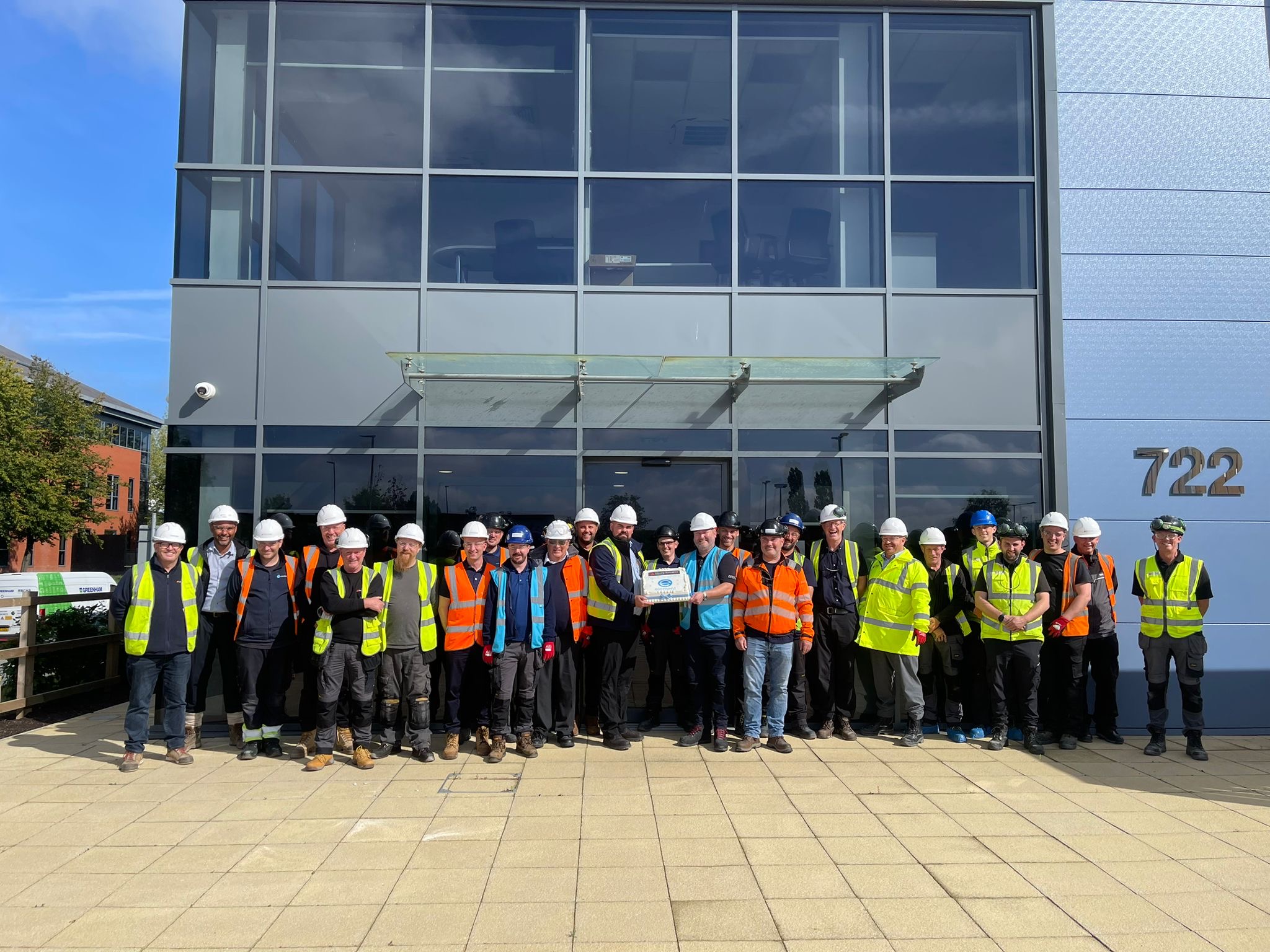
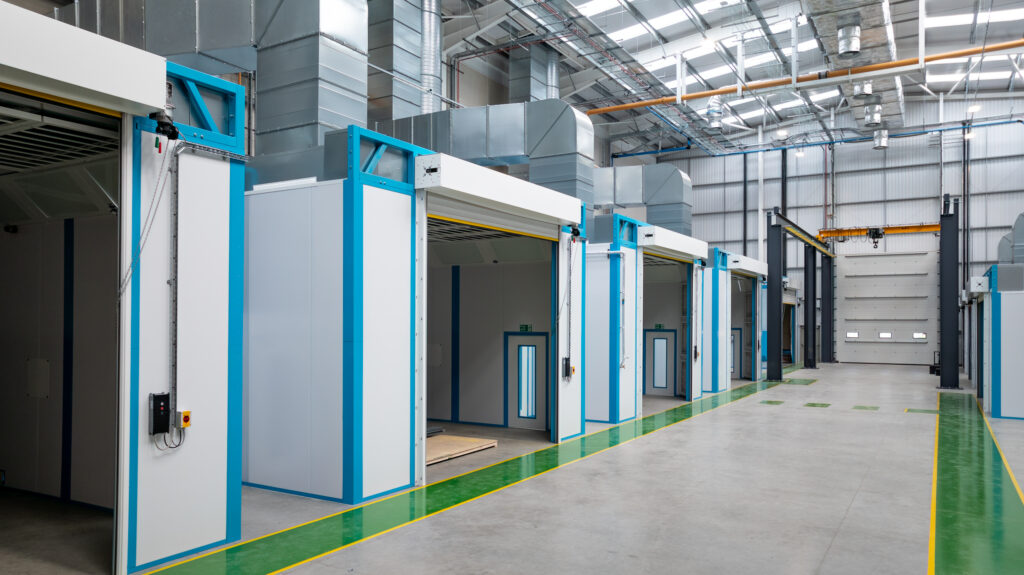
Warringtonfire’s new $30m laboratory at Birchwood Park, Warrington, is set to open in January 2025. Acting as a pinnacle of excellence for fire testing and certification provision in the UK, the site has incorporated Environmental, Social and Governance (ESG) principles to mitigate potential impacts and contribute positively to surrounding communities. Here, Dafydd Llewelyn-Jones, Project Manager for Element Materials Technology, explains how the site’s construction has (and continues to) benefit both the local environment and community.
Meeting increased demand and tightened legislation with responsibility
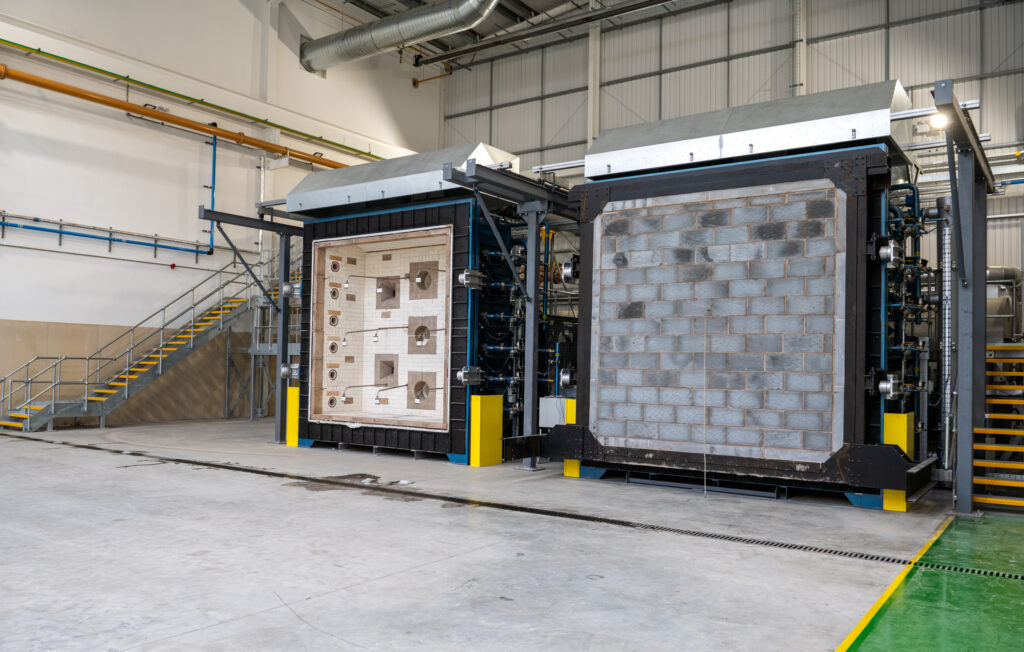
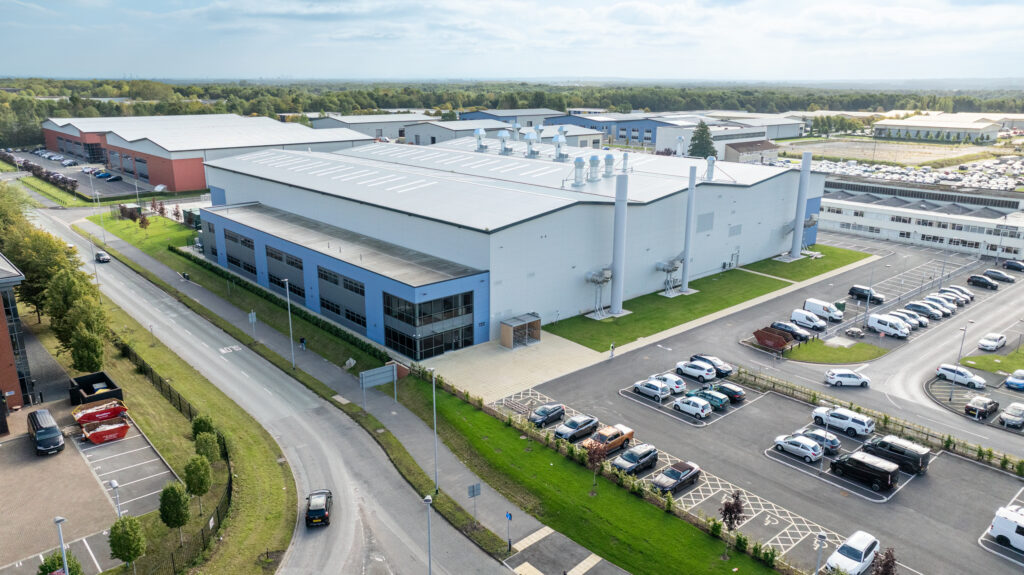
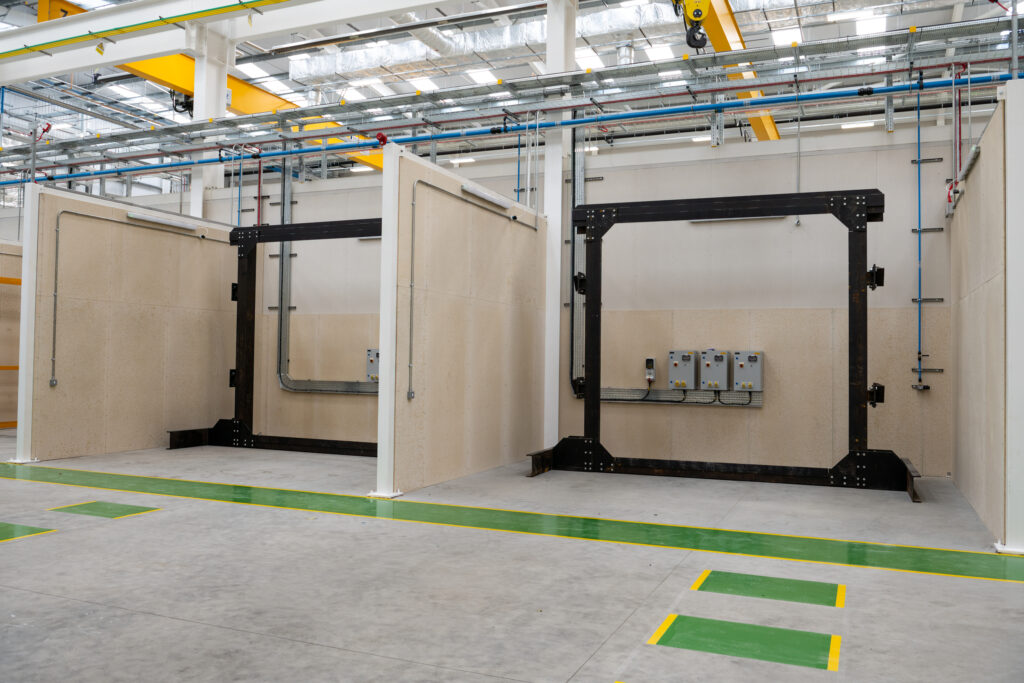
As the built environment sees increased fire-safety legislation and regulation, the demand for material testing sites is on the rise. In response, Warringtonfire, part of the global Element Materials Technology group, has built a new 101,000ft2 facility to expand capacity and meet the growing demand for fire-resistance testing. This state-of-the-art UKAS-accredited laboratory at Birchwood Park will facilitate the testing and certification of critical fire-safety products and systems, such as fire doorsets, intumescent coatings for steel protection and other passive fire-protection solutions.
The introduction of the Building Safety Act 2022 and other regulations, such as the Fire Safety Act 2021 and Fire Safety (England) Regulations 2022, are focused on improving the fire safety of buildings and are already driving the demand for additional testing on construction products. The government has announced that they are committed to a system-wide reform of the construction products regulatory regime.
Although the future direction of travel is yet to be confirmed, it is anticipated that there will be greater scrutiny of the performance of construction products incorporated in buildings, which in turn will increase the need for enhanced fire-testing capacities. Warringtonfire’s new facility addresses these heightened requirements, and customer demands for expanded testing services, all while prioritising environmental responsibility and sustainability.


Owning responsible construction
While there is an urgent growing necessity for UKAS-accredited fire-safety testing capacity in the UK, it’s important these facilities are not constructed irresponsibly. This is why our primary focus when constructing the Birchwood Park laboratory was to ensure the site was environmentally conscious. Before and during construction, we recognised the potential impact a laboratory of this scale could have on the surrounding environment and made concerted efforts to offset and mitigate this impact through a variety of solutions.
Our principal partnership with responsible contractor Tilbury Douglas was the first step we took in making sure the laboratory build was in line with environmental considerations. In accordance with our sustainability goals and the drawings prepared, Tilbury Douglas implemented a host of measures to reduce energy use, maintain air quality and mitigate potential environmental impacts. These measures included installing built-in recycling systems, energy-efficient fans, and smoke and odour capture and treatment systems.
Optimising air quality
As a provider of safety-critical services, we fall under the exemption from the permitted regime under Section 45 of the Clean Air Act 1993. Despite this exemption, we have taken proactive steps to ensure that the air quality at our new facility is as clean as possible and meets stringent environmental standards.
Independently, we’ve done everything we can to get the air as clean as possible. This includes significant investments in furnace systems, cold and hot smoke extraction, abatement equipment, filtration systems, air handling and high-performance ventilation, and ultraviolet scrubbers. By incorporating best-in-class experiences from our previous operations, these initiatives benefit the environment, community members and our workforce. We are committed to using the best practicable means to prevent or reduce emissions, which also includes low-emission equipment and regular air monitoring.
The planning process for such a significant project was rigorous and demanding, requiring expertise from multiple disciplines and meticulous project management. Element’s acoustics team played a crucial role by providing Environmental Impact Assessments (EIA) scoping during the project’s design stages. Led by senior technical advisor Stephen Wigham, our team defined the scope of assessments, approached them strategically and identified crucial information to evaluate potential impacts effectively.
Element’s EIA consultancy included acoustic design assistance, noise assessments using advanced modelling software and air quality dispersion modelling. These efforts were integral in demonstrating that our new facility would not have a detrimental environmental impact. The air dispersion modelling revealed that the average daily operations of all our furnaces result in abated concentrations of nitrogen dioxide, particulates, and volatile organic compounds (VOCs) that are 98% lower than the emissions produced by a typical modern diesel vehicle. Additionally, our emissions monitoring teams conducted thorough on-site analysis of flow rates and measurements of airborne compounds, including VOCs, ensuring our Birchwood Park facility maintains optimal environmental conditions.
Due to the diligent efforts of our environmental monitoring teams and the implementation of measures to remove toxic fumes, the facility meets all regulatory requirements on noise, vibration and air emissions. This has been a pivotal phase in our ambition to make our new Birchwood Park laboratory a world-class, industry-leading fire-resistance testing facility. Substantial investments in procuring the most cutting-edge building service equipment available today will ensure a sustainable operation for years to come, with a laboratory that will continue to test and certify products that go on to protect people’s lives and make the built environment safer.
Sustainable operations
In addition to air quality measures, we installed a Building Management System (BMS) to enhance environmental sustainability by optimising resource use, maintaining optimal environmental conditions, improving energy efficiency, reducing waste and supporting sustainable practices.
Our site also features upgraded power-supply transformers that consume no electricity when idle and electric vehicle (EV) infrastructure, including a fleet of EV forklifts and charging points. The facility will be well lit, through a combination of natural light from skylights and energy-efficient LED lighting, delivering a high lux level. It is also set up to accept a blend of clean hydrogen and natural gas once local infrastructure supports this service.
However, it is not just the measures we have taken and the equipment we have implemented that highlight our responsibility to the environment. It is also the data we have collected, which shows the tangible impact these processes have had on our carbon footprint.
Supporting the next generation
As well as the positive impact on the environment, the construction of our new laboratory has had, and will continue to have, a beneficial impact on the local economy, skills and careers. The next generation of testing professionals in and around Warrington can see there is a route into fire-safety testing and certification locally rather than having to leave their hometown.
We have already created 50 local job opportunities at the soon-to-be-opened facility in Birchwood Park and have visited local colleges to educate the wider community on the importance of fire safety.
Our responsibilities will not stop once the new laboratory is complete. While our environmental considerations have been a strong focus during the build, they will continue to be our priority when operations start in Birchwood Park. The site will be a welcoming and comfortable place for our employees and will also play a significant role in nurturing young talent in the local community. As the demand for fire-safety testing and certification services continues to grow, building sites of such scale to handle capacity must be done in an environmentally and locally positive way.
For more information, go to www.warringtonfire.com

You must be logged in to post a comment.