

Industrial fires can pose significant risks to both life and property, requiring swift and efficient emergency response. Industrial fire response teams play a crucial role in mitigating these hazards and minimizing the potential damage. However, to ensure the effectiveness of these teams, regular competence assessments are essential. These assessments not only validate the skills and knowledge of team members but also identify areas for improvement and reinforce best practices. In this article, we will explore the importance of competence assessments for industrial fire response teams and highlight key considerations for implementing an effective assessment programme.
The significance of competence assessments
Ensuring preparedness:
Competence assessments provide an opportunity to evaluate the readiness of industrial fire response teams. By assessing the team members’ knowledge, skills and abilities, organizations can identify any gaps or deficiencies that may hinder effective emergency response. This process enables the teams to address these weaknesses through training, education or the allocation of additional resources, thus enhancing their overall preparedness.
Enhancing safety:
Industrial fires can pose serious risks to the safety of personnel and the surrounding environment. Competence assessments help identify any shortcomings in safety protocols and procedures, enabling teams to rectify them promptly. Regular assessments ensure that team members are up to date with the latest safety guidelines and practices, fostering a culture of safety within the organization.
Promoting efficiency:
Efficiency is crucial when responding to an industrial fire, as every second counts. Competence assessments enable organizations to evaluate the team members’ ability to work cohesively, communicate effectively, and make quick decisions under pressure. By identifying areas where efficiency can be improved, such as response times, resource allocation or incident command systems, organizations can optimize their emergency response strategies.
Implementing an effective competence assessment programme
Establish clear objectives for the competence assessment programme. Define the specific skills, knowledge and abilities that team members should possess, aligning them with the unique risks and challenges of the industrial setting. These objectives should be regularly reviewed and updated to reflect industry best practices and regulatory requirements.
Setting competencies for fire and emergency responses against pre-determined job performance requirements is a critical aspect of ensuring effective and efficient emergency services. Competencies serve as a framework to assess and measure the skills, knowledge and abilities required for individuals working in the field of firefighting and emergency response. By aligning these competencies with pre-determined job performance requirements, organizations can establish clear expectations and standards for their personnel, ultimately enhancing the overall effectiveness of their emergency response efforts.
To begin with, competencies for fire and emergency responses should be established based on a comprehensive analysis of the job requirements. This analysis involves identifying the specific tasks, roles and responsibilities that individuals in this field are expected to perform. For example, firefighting competencies may include skills such as fire suppression, hazardous materials handling, search and rescue, and emergency medical response. By breaking down the job into its constituent parts, organizations can develop a comprehensive list of competencies that cover all necessary aspects of the role.

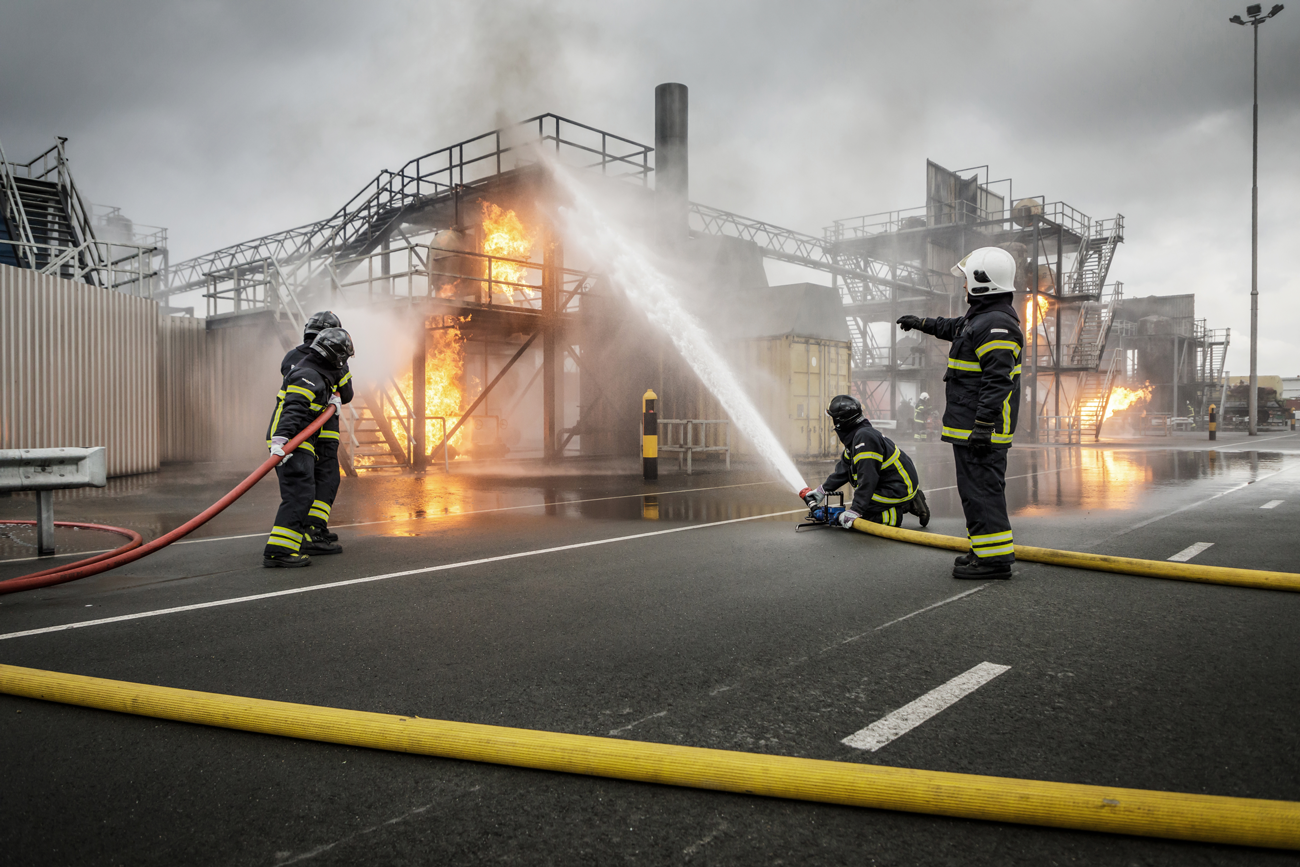


Once the competencies have been identified, they should be aligned with pre-determined job performance requirements. These requirements serve as benchmarks against which individuals’ performance will be evaluated. Job performance requirements may include response times, adherence to safety protocols, effective use of equipment and teamwork. By linking competencies to these performance requirements, organizations can ensure that their personnel possess the necessary skills and abilities to meet the demands of the job effectively.
Competencies should be specific, measurable, attainable, relevant and time-bound (SMART). Each competency should be clearly defined, outlining the knowledge, skills and abilities required. For example, a competency related to fire suppression might include the ability to identify different types of fires, select appropriate firefighting techniques and effectively operate firefighting equipment. By making competencies specific, organizations can ensure that individuals understand what is expected of them and can work towards developing and improving the necessary skills.
Regular training and evaluation play a crucial role in establishing and maintaining competencies. Training programmes should be designed to provide individuals with the opportunity to develop and enhance the required skills and knowledge. These programmes can include both classroom instruction and practical hands-on exercises, simulating real-life emergency scenarios. Regular evaluations, such as practical assessments and written exams, can gauge individuals’ competence levels and identify areas for improvement.
In addition to technical skills, competencies for fire and emergency responses should also encompass critical soft skills. These may include effective communication, decision-making under pressure, problem-solving, leadership and teamwork. In emergency situations, clear communication and the ability to work collaboratively with others are vital for successful outcomes. Including these competencies in the framework ensures that individuals possess a well-rounded skill set to handle diverse emergency situations effectively.
Competency frameworks for fire and emergency responses should be dynamic and responsive to evolving industry standards and best practices. It is essential for organizations to stay up to date with advancements in firefighting techniques, equipment and safety protocols. Regular reviews and updates of the competency framework will ensure that it remains relevant and aligned with the changing demands of the job.
In conclusion, setting competencies for fire and emergency responses against pre-determined job performance requirements is crucial for ensuring the effectiveness and efficiency of emergency services. By aligning competencies with job requirements, organizations can establish clear expectations and standards for their personnel. Regular training, evaluation and updates to the competency framework are essential to maintaining a high level of competence in this critical field. Ultimately, a well-defined and comprehensive competency framework will contribute to the overall success of fire and emergency response efforts, promoting public safety and saving lives.
If you require any further information regarding competency training and assessment for your organisation, please contact our consultancy department of RelyOn Nutec Fire Academy (fireacademy@nl.relyonnutec.com / tel. +31 (0)181 376666).
About the Author

Stephen Watkins
Former UK Fire Officer in the West Midlands Fire Service, experienced in operations, recruit probationary training and Specialist Fire safety. Joined Rotterdam International Safety centre (RISC) in 1999. Firstly, as a senior instructor delivering command training for the oil and gas sectors, firefighter training for shipping and offshore and since those early days has subsequently provided consulting services on training and response competencies for the high-risk industries, emergency response preplanning, training centre design and Crisis Management in Europe and the Middle East. Played a role in the response planning for small scale LNG incidents in the Rotterdam harbour. 2018 designed and opened the new 3rd generation training facility in Rotterdam (RelyOnNutec Fire Academy, formerly Falck Fire Academy and RISC) to meet the future emergency response training challenges and testing for the foam and energy transitions.

You must be logged in to post a comment.